
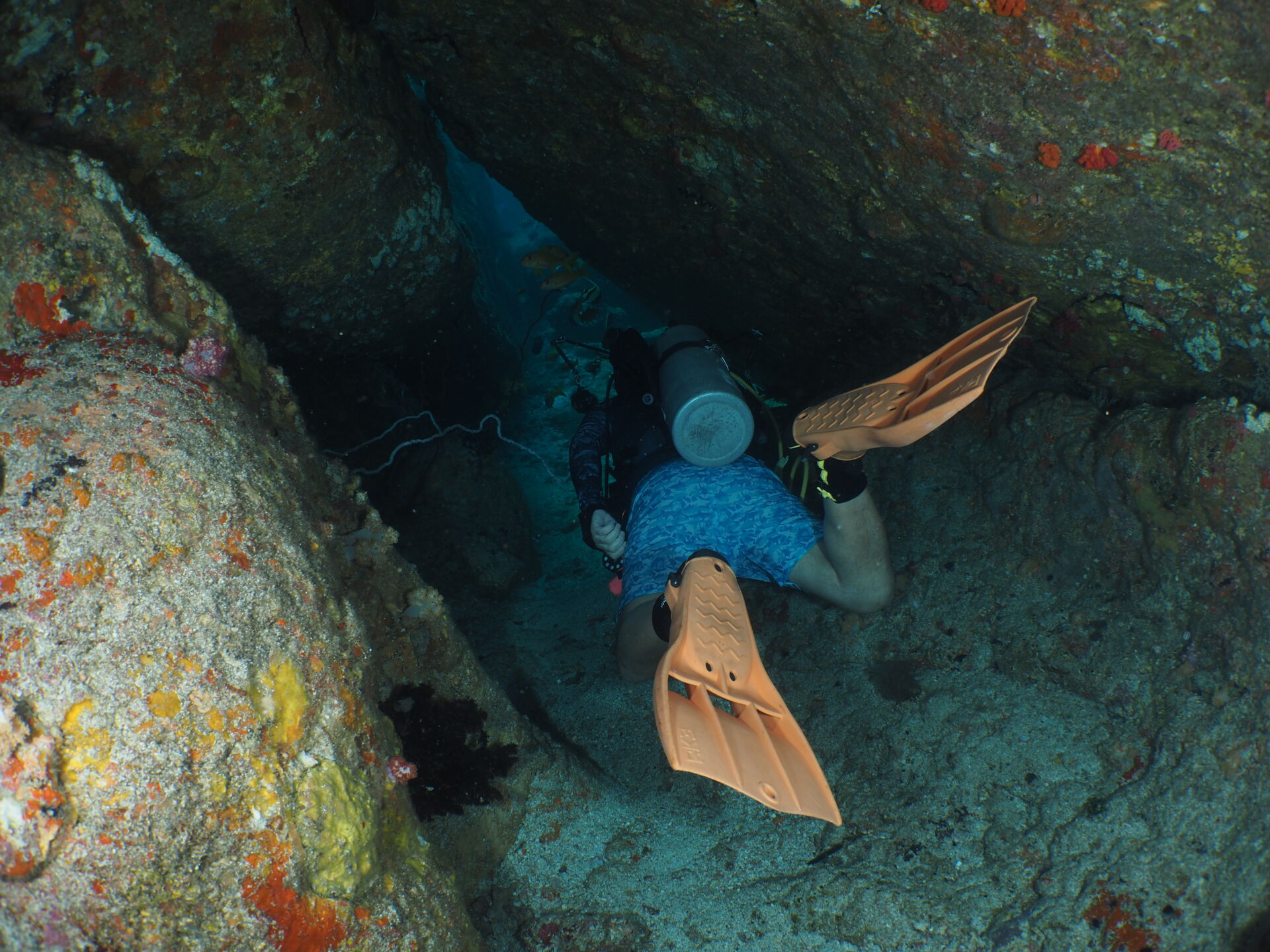
We’ve spent thousands of dives exploring the Similan Islands. Located in the Andaman Sea, this protected national park is famous for its granite boulders, healthy reefs, and diverse marine life.
Every season brings something different, from calm coral gardens to thrilling drift dives and unforgettable pelagic encounters. However, many divers ask the same question before booking a trip:
When is the best time to dive the Similan Islands?
The short answer is that the Similan Islands offer excellent diving throughout the open season. However, different months can bring different conditions, marine life encounters, and underwater experiences.
This guide explains everything you need to know before planning your trip.
Where Are the Similan Islands?
The Similan Islands National Park lies approximately 70 kilometres west of Khao Lak on Thailand’s west coast.
The park consists of eleven islands surrounded by clear water, coral reefs, and dramatic underwater landscapes. Many of Thailand’s most famous dive sites are found here, including:
These sites offer a mixture of reefs, pinnacles, swim-throughs, and pelagic encounters.
How Do You Get to the Similan Islands?
The easiest and most enjoyable way to visit the Similan Islands is by liveaboard.
While day trips are available, they only access a small portion of the national park. In contrast, liveaboards allow divers to explore a much wider range of dive sites and spend more time underwater.
DiveRACE operates 4-day, 5-night liveaboard cruises departing from and returning to Khao Lak. This itinerary allows guests to dive throughout the Similan Islands, Koh Bon, Koh Tachai, and Richelieu Rock while enjoying comfortable accommodation, freshly prepared meals, and multiple dives each day.
For most divers, a liveaboard is the best way to experience the region.
Similan Islands Diving Season
The Similan Islands National Park is typically open from 15 October to 15 May each year.
Outside of these dates, the park closes to tourism and diving activities. This annual closure helps protect the marine environment while allowing reefs and wildlife to recover from visitor activity.
It also coincides with the southwest monsoon season. As a result, sea conditions become less predictable and access to many dive sites becomes difficult.
Why Are the Similan Islands Closed During the Rainy Season?
The southwest monsoon usually affects Thailand’s Andaman coast between May and October. During this period, strong winds and larger waves become more common. Consequently, boat travel can become uncomfortable and sometimes unsafe.
Heavy rainfall also increases sediment runoff from the mainland. This can reduce underwater visibility and impact reef health in some areas.
By closing the national park during this period, authorities help protect both visitors and the marine ecosystem.
Similan Island’s Weather, Visibility, and Water Conditions
The diving season generally offers warm water, calm seas, and excellent visibility. Water temperatures typically range between 28°C and 30°C. Visibility often varies between 15 and 30 metres, although conditions can occasionally exceed this.
But sea conditions are never exactly the same from one trip to the next. We’ve had weeks of glassy seas in October and incredible visibility well into May. Nature doesn’t follow a calendar, which is one reason every trip feels different.
Early in the season, divers may experience slightly stronger currents and cooler water at some offshore sites. However, these conditions can also bring nutrient-rich water that attracts larger marine life.

Diving Conditions Throughout the Season
There is no single month that is best for every diver. Instead, the ideal time depends on what you hope to experience underwater.
October to December
The beginning of the season often brings fresh conditions after several months of park closure. Visibility can be excellent, and marine life activity is often high. Currents may occasionally be stronger at offshore sites such as Koh Bon and Koh Tachai.
January to March
Many divers consider this the peak season. Sea conditions are generally calm, weather is stable, and visibility is often excellent. These months are particularly popular with underwater photographers and first-time visitors.
April to Mid-May
The final weeks of the season can still provide fantastic diving. Water temperatures are often at their warmest. Marine life encounters remain possible, although weather patterns may become less predictable as the monsoon season approaches.
What Marine Life Can You See in the Similan Islands?
One of the biggest reasons divers visit the Similan Islands is the incredible variety of marine life. Healthy reefs support thousands of fish and invertebrates, while offshore sites attract larger pelagic species.
No two dives are ever the same. One morning might begin with schools of barracuda circling a pinnacle. The next could be spent watching turtles feed along the reef while octopus and cuttlefish hide among the corals. Even after hundreds of dives here, we still find something new.
Common sightings include:
- Hawksbill turtles
- Green turtles
- Giant moray eels
- Octopus
- Cuttlefish
- Blue-spotted stingrays
- Trevally
- Barracuda
- Sweetlips
- Snappers
- Batfish
Macro enthusiasts can also find nudibranchs, shrimp, crabs, pipefish, and many other smaller creatures. As a result, the Similan Islands appeal to both wide-angle and macro photographers.
Can You See Manta Rays in the Similan Islands?
Yes.
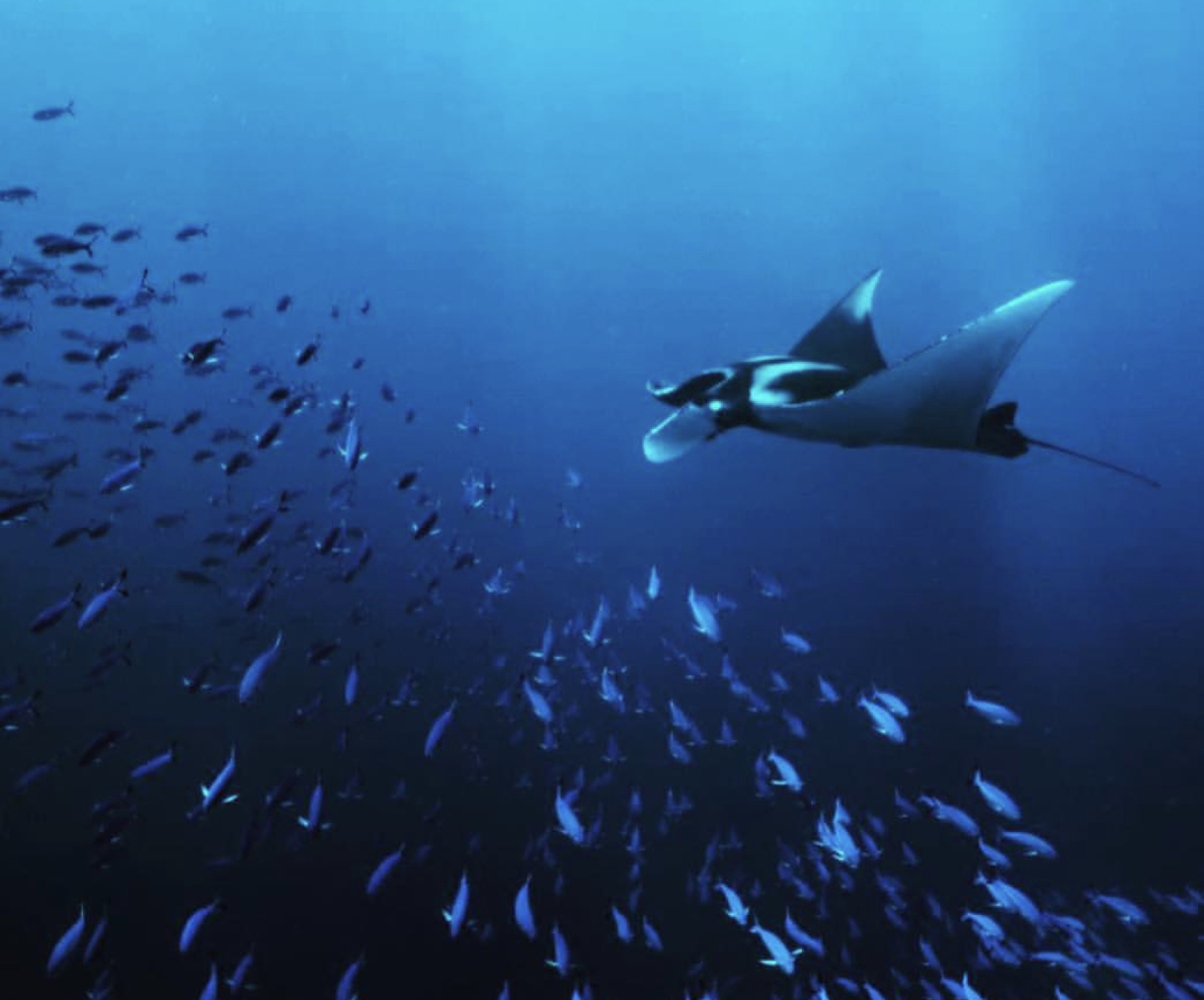
The Similan Islands offer some of the best opportunities in Thailand to encounter oceanic manta rays, specifically at Koh Bon and Koh Tachai.
Seeing an oceanic manta ray never gets old. Whether it’s your first encounter or your fiftieth, watching one glide effortlessly overhead is something most divers never forget. While sightings are never guaranteed, the Similan Islands offer some of the best opportunities in Thailand.
When conditions align, divers may enjoy prolonged interactions as mantas circle cleaning stations or glide through the blue. For many visitors, seeing an oceanic manta ray becomes the highlight of the trip.
Can You See Whale Sharks in the Similan Islands?
Yes.
Whale sharks can be encountered throughout the Similan Islands season. Historically, sightings were more frequent than they are today. Nevertheless, encounters still occur every year across the region.
Richelieu Rock, Koh Tachai Pinnacle, and Koh Bon are often considered some of the best locations for potential sightings. Like manta rays, whale sharks are highly migratory animals. Therefore, sightings remain unpredictable and can happen at any point during the season.
Sharks Species in the Similan Islands
Every shark encounter is memorable. Whether it’s a leopard shark resting on the sand or a grey reef shark passing through the blue, these moments remind us why we love diving the Similan Islands. While sightings vary from trip to trip, several shark species can be found throughout the region.
Common sightings include:
- Whitetip reef sharks
- Leopard (zebra) sharks
- Bamboo sharks
- Blacktip reef sharks
- Grey reef sharks (occasionally at offshore sites)
While shark encounters are never guaranteed, the protected status of the national park helps support healthy marine ecosystems.
So, When Is the Best Time to Dive the Similan Islands?
The best time to dive the Similan Islands is anytime during the national park’s open season between 15 October and 15 May. If your priority is calm seas and stable conditions, January to March is often considered ideal.
If you ask our team when the best time to visit is, you’ll probably get different answers. Some love the stronger currents and pelagic action early in the season. Others prefer the calmer conditions later on. That’s one reason we keep coming back year after year.
The Similan Islands always have something new to offer. Excellent visibility, vibrant reefs, spectacular granite formations, and the possibility of encounters with manta rays and whale sharks attract divers from around the world each season.
For those wanting to experience the region fully, a liveaboard remains the best option. DiveRACE’s 4-day, 5-night Similan Islands liveaboard cruises provide access to the area’s most famous dive sites while maximising your time underwater. Whether it is your first visit or your tenth, the Similan Islands continue to offer some of the most rewarding diving in Thailand.
Book your next Similan Islands diving adventure on board MV DiveRACE Class X here.
Related Articles
-

The Vanishing Wrecks of the South China Sea
Wrecks have a special pull on divers. They’re time capsules, artificial reefs,…
-
MV DiveRACE Class X
INTRODUCTION We are excited to present our latest liveaboard project – MV…
-
Thank You Class E.
Dear Friends, We want to express our heartfelt thanks to everyone for…