
There are plenty of incredible moments in coral restoration. You might return to a site and find a small fragment slowly covered in new growth, or notice fish beginning to use an area that once looked barren. But there is a lot happening before and after those moments.
Through our DiveRACE Foundation coral restoration project in Phuket, I’ve seen how much work happens beyond simply putting coral back onto a reef. There is monitoring, maintenance, education, funding, planning, and sometimes dealing with setbacks we cannot control. Restoration is a continuous process, and much of the work happens when nobody is watching.
And that means you don’t actually need to be a diver to be part of it. If you care about coral reefs, there are plenty of ways to support their recovery from above the surface.
Our Coral Restoration Project in Phuket
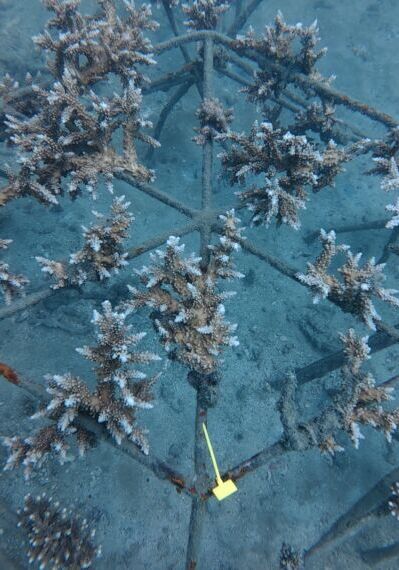
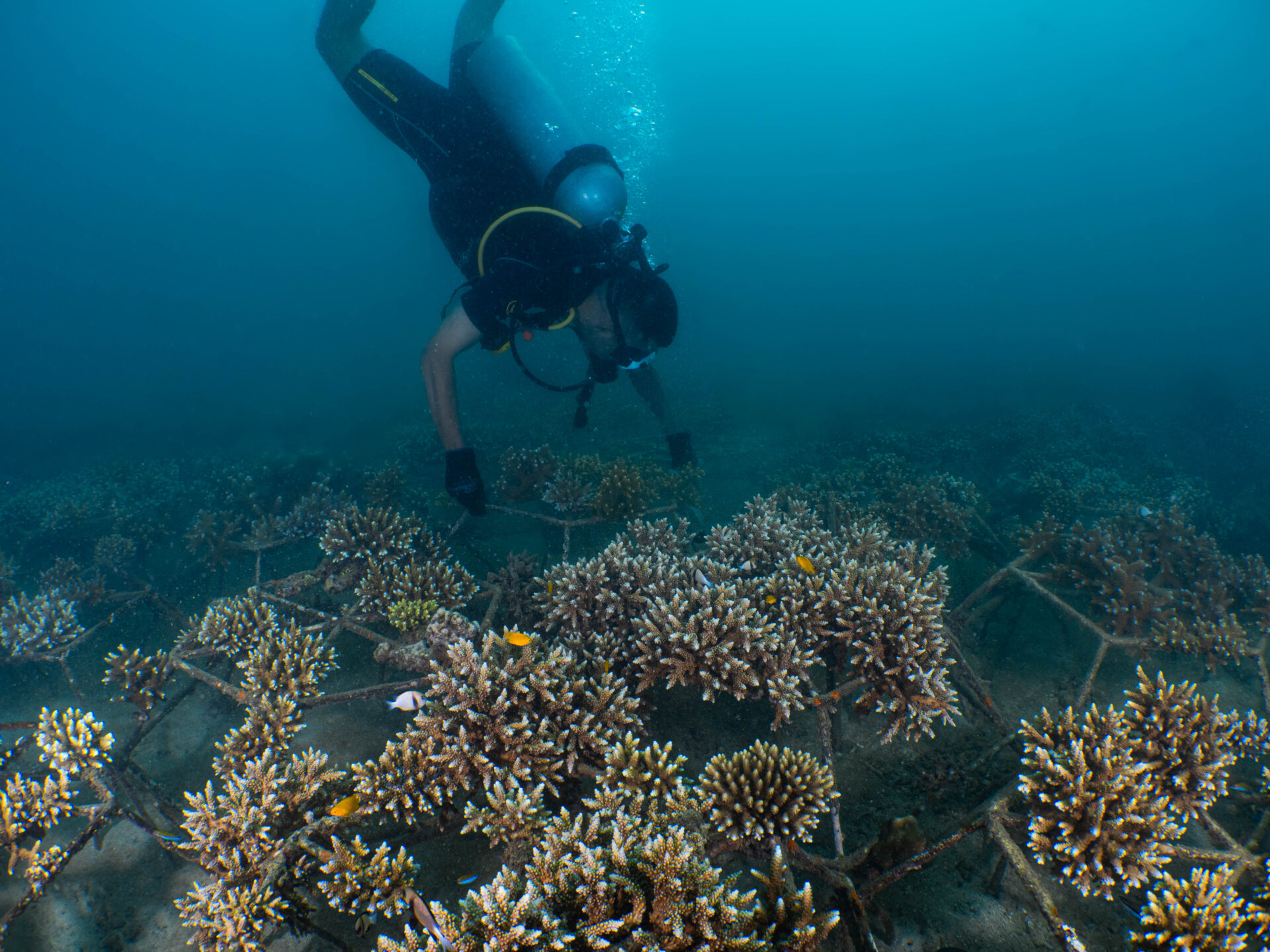
We started our coral restoration project in Phuket in September 2024, working alongside Thailand’s Department of Marine and Coastal Resources (DMCR). At the beginning, our restoration area covered around 75 square metres, using large reef structures that we call Super Stars.

Each Super Star measures roughly one metre across and supports multiple coral fragments. Since then, the project has continued to grow. By October 2025, we had expanded the restoration area to around 155 square metres, with approximately 960 coral fragments planted.
Our long-term goal is much bigger: 10,000 square metres of restored reef.
When you look at that target, 155 square metres can seem tiny. But when you are actually underwater at the site, it feels very different. You notice individual fragments and begin recognising which ones are growing well. You see fresh white growth along the edges of healthy coral, while also seeing the fragments that have not survived.
That is one of the things I find most interesting about restoration. It isn’t a straight line from damaged reef to healthy reef. Some things work incredibly well, while others don’t, and nature has a habit of reminding us that we aren’t completely in control.
Restoration Doesn’t End When We Plant the Coral
I think this is one of the biggest misconceptions around coral restoration. Planting the coral is only the beginning, because we then have to return to the site and understand what is happening.
Are the fragments still secure? Are they growing? Has anything been damaged? Are there signs of bleaching or mortality? These questions are part of the ongoing monitoring that helps us understand whether the restoration is working.
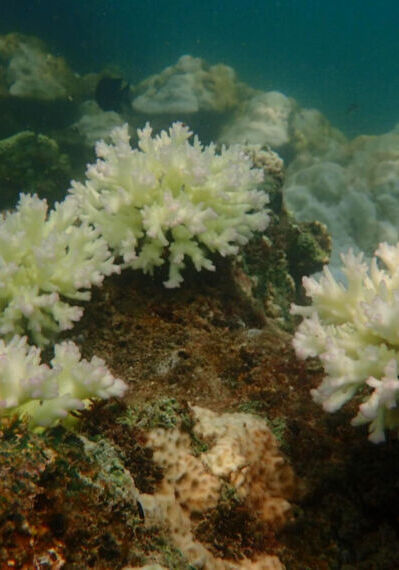
That monitoring became particularly important during the bleaching we experienced in Phuket. At our restoration site, we estimated that around 15–20% of the coral was showing signs of bleaching. Some of the surrounding natural coral bommies were hit much harder, and seeing that underwater puts coral restoration into perspective very quickly.
We could maintain our structures, monitor affected fragments, and remove coral that had died. However, we could not change the temperature of the water surrounding them. It reinforced something I think is important to be honest about:
Coral restoration can help reefs recover, but we cannot restore our way out of every problem reefs face.
Protection and restoration have to happen together.
So, How Can You Support Coral Restoration Without Diving?
You don’t need to physically plant coral to contribute to a restoration project. In fact, a huge amount of the support we need happens above the surface.
There are many ways to contribute, whether you are a diver, a snorkeller, a traveller, or someone who simply cares about the ocean. Here are some of the most useful ways you can help.
1. Support Coral Restoration Projects Directly
Coral restoration requires ongoing resources. It isn’t simply the cost of producing a reef structure and putting it underwater. We need equipment, materials, boats, fuel, monitoring, maintenance, and people who can continue returning to the site.
Because our goal is 10,000 square metres, this is something we are building over years rather than weeks. Every stage requires continued work, and maintaining existing restoration areas is just as important as expanding them.
Supporting our coral restoration project directly helps us continue expanding and maintaining the project.
Personally, I think transparency is important when supporting any conservation project. I would always want to know where the project is, what methods are being used, who is involved, and whether anyone returns afterwards.
Putting coral underwater makes a great photograph. What happens six months later matters much more.
2. Learn How Coral Restoration Actually Works
Education might not feel as direct as planting a coral fragment. But the more involved I become with restoration, the more important I think it is.
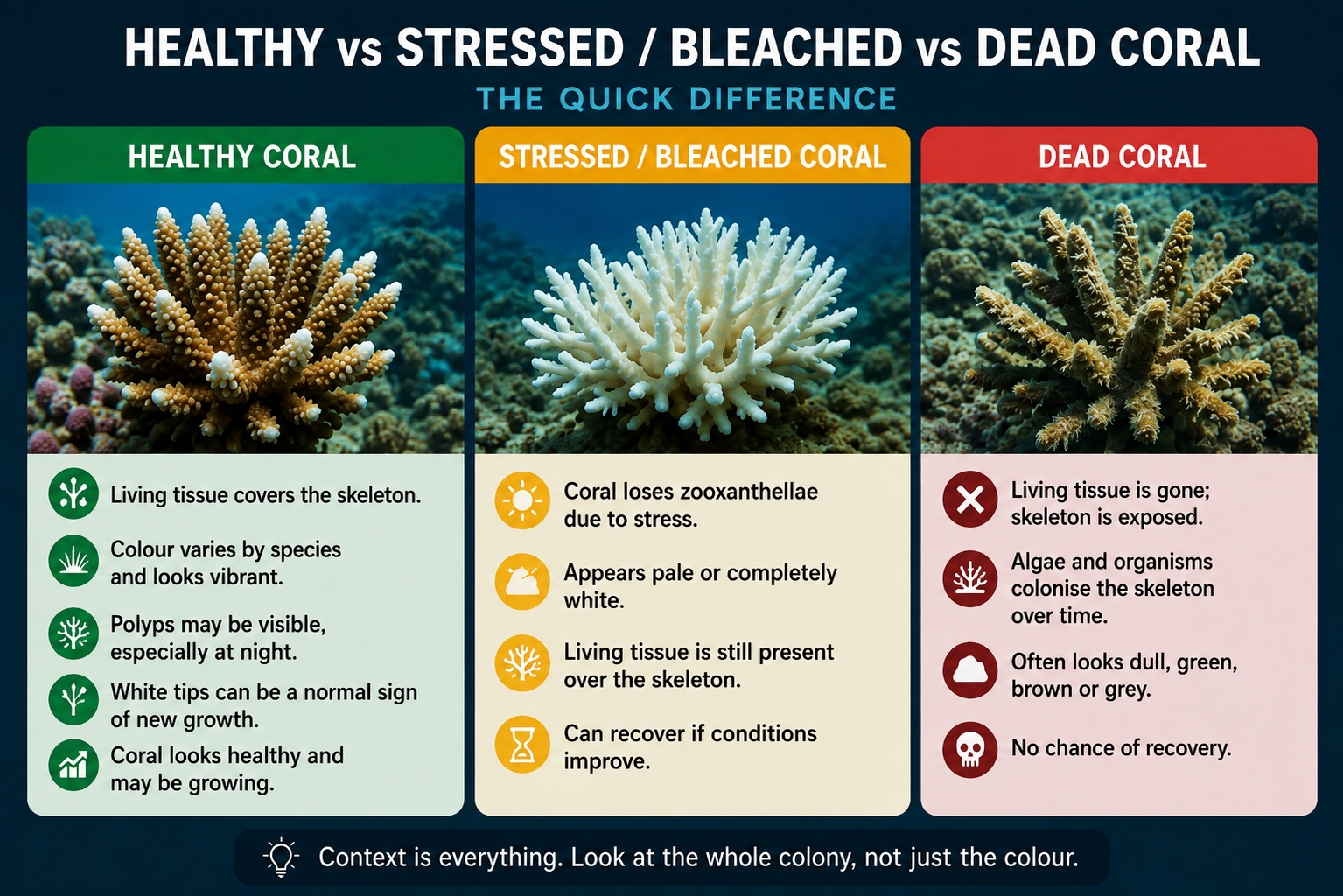
Coral restoration is far more complicated than attaching coral to a structure and waiting for it to grow. Different fragments respond differently, environmental conditions change, corals bleach, and some recover while others don’t.
Then there are storms, sediment, algae, disease, water quality, temperature, and countless other factors influencing what happens next. All of these variables can affect the progress of a restoration site.
Understanding those challenges gives you a much better idea of what genuine restoration involves. It also makes it easier to recognise projects doing meaningful long-term work.
You don’t need to become a marine biologist. Even understanding the basics can completely change how you look at a coral reef. Learn more about coral restoration here.
3. Join Our Coral Restoration Workshops on MV DiveRACE Class X
This is something I’m particularly excited about. During the Phuket low season, we run coral restoration workshops aboard MV DiveRACE Class X.
The idea isn’t simply to show people some coral and tell them that restoration is good. We want people to understand what is actually happening and why the work matters.
That means talking about coral biology, reef degradation, bleaching, restoration methods, and the challenges we encounter at our own site. It also gives us the opportunity to share what we have learned since starting the project.
Some of those lessons come from success. Others come from things going wrong, and I actually think those conversations are just as important.
Conservation can sometimes look very polished online. In reality, working with a living ecosystem is messy. Corals bleach, fragments die, conditions change, and other fragments can surprise you with how well they grow.
Our workshops allow us to show both sides of that process. For divers, there is obviously the opportunity to connect what we discuss onboard with what they see underwater. However, the learning itself doesn’t require a scuba certification.
You can understand coral reefs without diving on them, and our site is shallow enough to snorkel. The more people understand what is happening beneath the surface, the more people we have who care about protecting it.
4. Choose Marine Tourism That Gives Something Back
I spend a lot of my life travelling for diving. Because of that, I probably think about marine tourism more than the average traveller.
The ocean is the reason many of us come to places like Phuket. It supports dive centres, liveaboards, hotels, restaurants, boat crews, guides, and countless other businesses. That creates an interesting responsibility. If our livelihoods depend on healthy oceans, I think we should be putting something back into them.
As a traveller, you can support that by looking closely at the businesses you choose. Don’t just look for the words sustainable or eco-friendly. Look at what they are actually doing.
Do they support conservation? Do they educate guests? Do they manage waste responsibly? Are their environmental projects still operating once the social media post has disappeared?
For us at DiveRACE, the restoration project isn’t something we want to complete and forget about. We keep returning, monitor the site, document what changes, and continue expanding the project.
5. Reduce Your Impact When You’re Around Coral Reefs
You don’t have to completely change your lifestyle to care about coral reefs. I think realistic changes are much more useful, particularly when they become habits that you can maintain.
Sunscreen is a good example. We obviously still need to protect ourselves from UV exposure, especially somewhere like Thailand. However, we can reduce how much sunscreen enters the water.
I personally prefer using physical protection where possible. Rash guards, clothing, hats, and shade can all reduce how much sunscreen we need, allowing us to be more selective about the products we use around marine environments.
Thailand has also restricted certain sunscreen ingredients within its national parks. You can learn more about sunscreen and its impact on coral reefs here.
Then there are the very simple things that every reef visitor can do. Don’t touch coral, don’t stand on reefs, and don’t take marine life home. Reduce unnecessary plastic where practical, and if you’re snorkelling, think about where your fins are.
None of these actions will restore an entire reef. But reducing additional pressure gives reefs a better chance to recover.
6. Share What’s Really Happening to Coral Reefs
This is probably where my own role becomes most relevant. A huge part of my work is creating underwater content, and naturally, I love showing the best moments.
Healthy reefs, huge schools of fish, mantas, sharks, and beautiful coral are the things that made me fall in love with diving in the first place.
But I also think it is important to show the other side. When we see bleaching at our restoration site, we talk about it. When fragments die, we don’t pretend every coral we plant survives. And when something is growing incredibly well, we celebrate that too.
For me, that balance matters. If all we show online are perfect reefs, it becomes easy for someone thousands of kilometres away to assume everything underwater is fine.
At the same time, I don’t think conservation communication should make people feel hopeless. There are still reefs worth protecting, there are corals recovering, and there are projects where we can physically watch that recovery happening.
So, if you want to help, share credible projects and accurate information. One post won’t restore a reef, but it might introduce the project to someone who visits, supports it, or gets involved themselves.
7. Support the Bigger Picture
The longer I spend around this project, the more I realise that good restoration isn’t about pretending we can fix everything.
We can’t.
Coral reefs face pressures far bigger than our restoration site in Phuket. Rising ocean temperatures, bleaching events, pollution, sedimentation, coastal development, storms, and poor water quality can all affect reefs.
Our project exists within that bigger picture, and during a bleaching event, that becomes impossible to ignore. We can give coral another opportunity to grow. We can restore damaged areas, monitor what survives, and learn from what doesn’t. But ultimately, those corals still need an ocean they can survive in.
For me, that doesn’t make restoration less worthwhile. It makes the wider conversation more important.
Supporting reef protection, responsible tourism, better waste management, and broader environmental action all matter too. Coral restoration is one part of a much larger effort to give reefs a chance to survive and recover.
What I’ve Learned From Watching a Reef Recover
Some of my favourite moments at the restoration site aren’t particularly dramatic. It might simply be returning and noticing how much a fragment has grown.
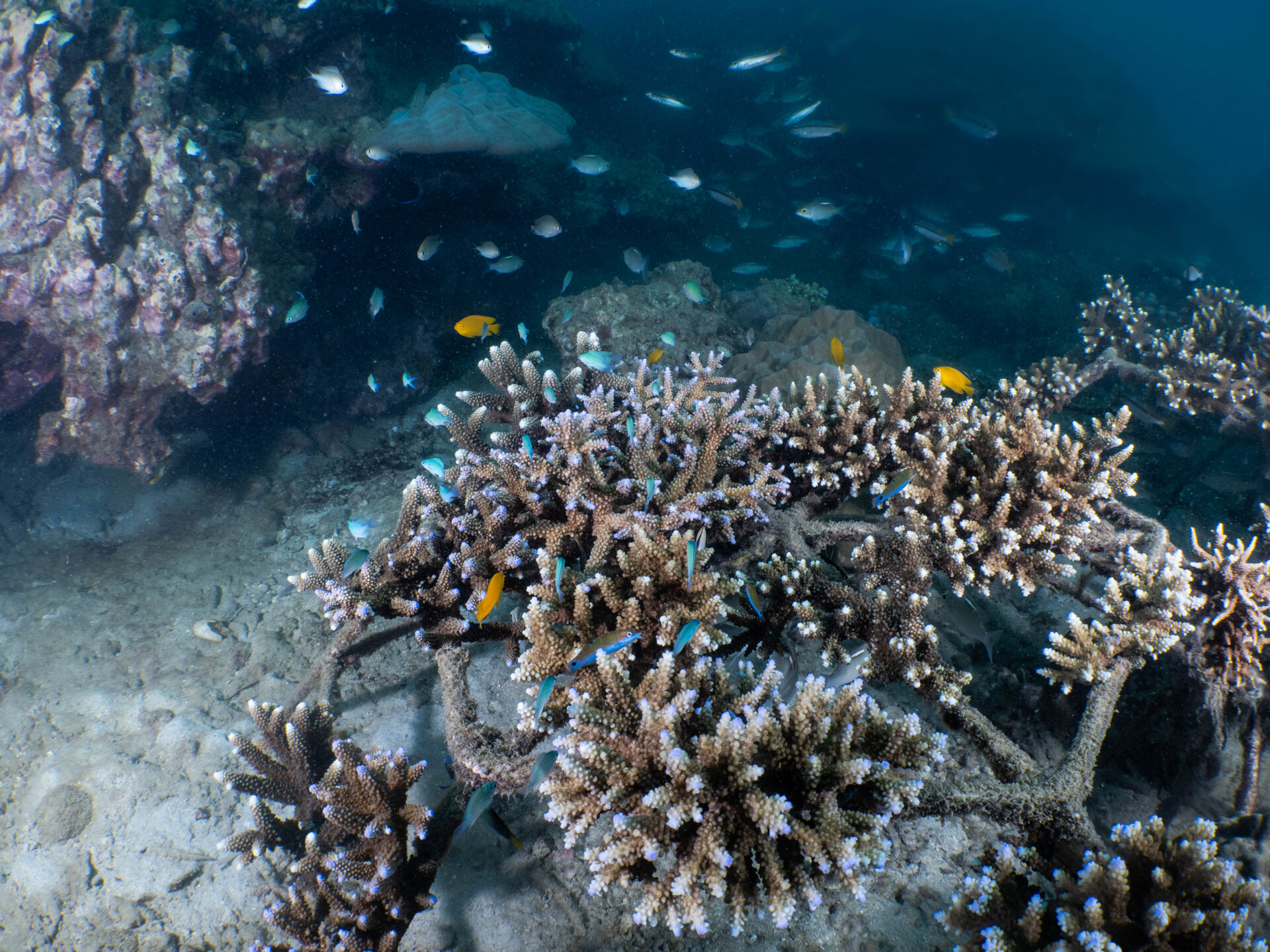
You see new white tips appearing, or a fragment beginning to spread across the structure. Then you notice fish spending more time around it, and slowly, something that initially looked obviously man-made begins becoming part of the reef.
Those are small changes. But when you’re working towards 10,000 square metres, every one of them matters.
It is also why I don’t think coral restoration should only belong to scientists, conservationists, or divers. The underwater work is just one part of a much bigger effort.
Someone has to help fund it. Someone has to teach people about it. Someone has to document it. Someone has to support the businesses and organisations investing in it.
And someone has to care enough to keep the conversation going.
You Don’t Have to Dive to Be Part of It
I have been diving for most of my life, so the ocean has always felt very close to me. I realise that isn’t the case for everyone, and some people will never scuba dive. That doesn’t mean coral reefs have nothing to do with them.
If you want to support our work, you can support the DiveRACE Foundation project directly, learn about coral restoration, join one of our onboard workshops, choose responsible marine tourism, reduce your impact, and help us share what is happening.
We started this project with a relatively small section of damaged reef. Today, we have around 155 square metres under restoration and approximately 960 coral fragments planted.
Eventually, we want that number to reach 10,000 square metres. There is a long way to go. But every time I return to the site and see new coral growth, I’m reminded that restoration happens piece by piece.
And you don’t necessarily need a tank on your back to help us build the next piece.
Related Articles
-

Climate Change & Corals: How Extreme Weather and Warming Seas Shape Our Reefs
In recent years, Southeast Asia has experienced increasingly unpredictable and severe weather…
-
Corals in Thailand: How You Can Help with DiveRACE
When people talk about scuba diving in Thailand, they almost always mention…
-
Acropora Corals in Thailand: The Science Behind Our Restoration Work
Why We Use Acropora Corals in Our Thailand Restoration Project If you’ve…