
The Similan Islands offer some of the most rewarding diving in Thailand, and with so much to explore beneath the surface, it’s easy to get caught up in the excitement of each dive. But when you’re diving three or four times a day, there’s more to consider than just what you’ll encounter underwater.
That’s where Enriched Air Nitrox comes in. It’s something I recommend for divers joining us on MV DiveRACE Class X, particularly during a multi-day liveaboard trip. By reducing the amount of nitrogen we breathe, Nitrox can offer some useful advantages when planning repetitive dives throughout the day.
But what exactly is Nitrox, how does it affect your dive planning, and is it worth getting certified?
What is Enriched Air Nitrox?
Standard scuba air contains approximately 21% oxygen and 79% nitrogen. Enriched Air Nitrox contains a higher percentage of oxygen, which means less nitrogen.
For example, Nitrox 32 (EAN32) contains 32% oxygen and 68% nitrogen.
The benefit? With less nitrogen in your breathing gas, your body absorbs less nitrogen compared to making the same dive on air. This can extend your no-decompression limit (NDL), allowing more time at certain depths before you need to ascend to avoid mandatory decompression stops.
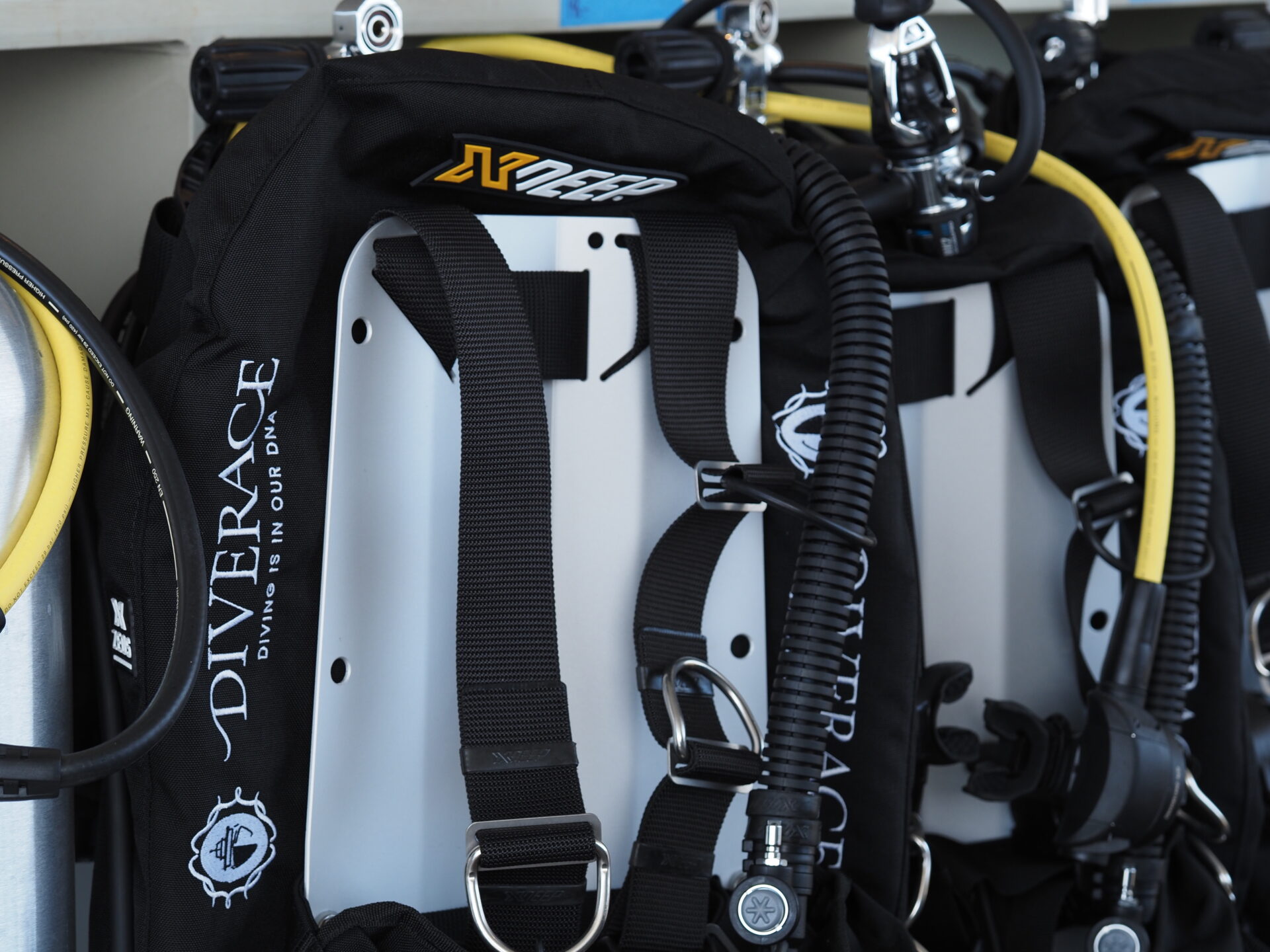
It’s important to understand that Nitrox doesn’t necessarily make your dive longer. Your gas consumption, depth and dive conditions still determine how much time you can comfortably spend underwater.
However, it can give you more flexibility, particularly on repetitive dives.
Does Nitrox Allow You to Dive Deeper?
No! In fact, quite the opposite.
This is one of the most common misconceptions about Nitrox. While it can extend your no-decompression limits, the higher oxygen concentration also restricts your maximum operating depth (MOD).
As you descend, oxygen partial pressure increases. Exceeding safe limits increases the risk of oxygen toxicity, which is why understanding your gas mixture and maximum depth is essential.
For example, using a planning limit of 1.4 ATA oxygen partial pressure:
- Nitrox 32: Maximum operating depth of approximately 34 metres.
- Nitrox 36: Maximum operating depth of approximately 29 metres.
Your planned depth must always stay within the limits of your gas mixture, certification and dive plan.
Nitrox is about managing nitrogen exposure, not diving deeper.
Dive Computers and Planning with Nitrox
One thing I always emphasise is that diving with Nitrox involves more than simply choosing a different cylinder.
Before every dive, you need to analyse your gas, confirm its oxygen percentage and ensure your dive computer is set to the correct mixture.
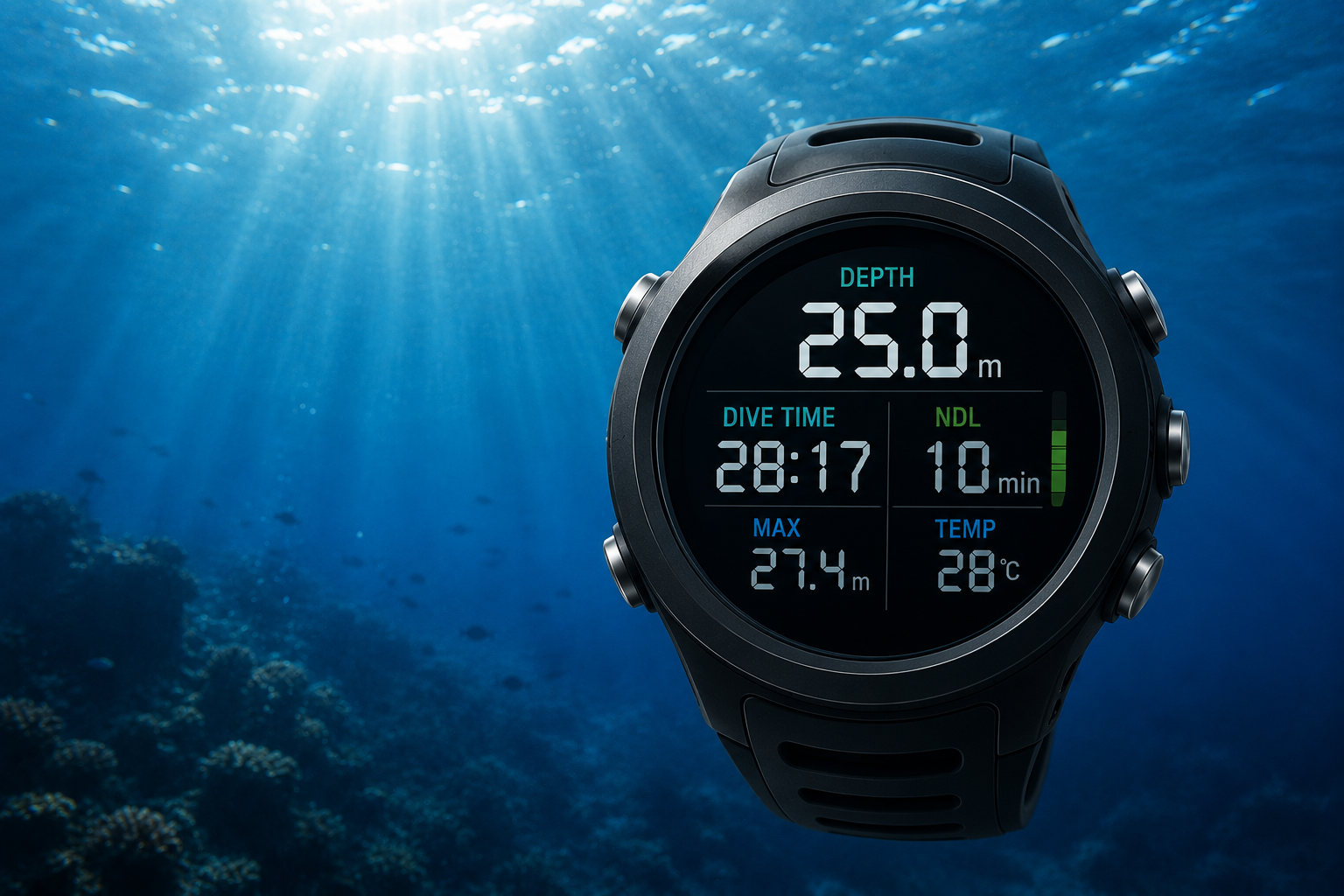
Modern dive computers make Nitrox diving relatively straightforward. Once you’ve entered your oxygen percentage and checked the appropriate oxygen partial pressure setting, your computer calculates your no-decompression limits based on that gas.
It also monitors your oxygen exposure throughout the dive.
However, your computer can only calculate correctly if you’ve entered the right information. Setting your computer to Nitrox 32 while breathing a different mixture could lead to incorrect calculations.
The essentials before every Nitrox dive:
- Analyse and confirm your cylinder’s oxygen percentage.
- Check the maximum operating depth for your mixture.
- Set your dive computer to the correct oxygen percentage and appropriate oxygen partial pressure limit.
- Plan your depth, gas reserve and no-decompression limits.
These checks quickly become part of your normal pre-dive routine.
Why I Recommend Nitrox for Similan Islands Liveaboard Diving
One of my favourite things about liveaboard diving is the rhythm of the day. You wake up, dive, enjoy breakfast, relax for a while and head underwater again.
On MV DiveRACE Class X, we explore some of the best dive sites in the Similan and Surin Islands, often completing several dives each day. With repetitive diving, nitrogen exposure becomes an important part of planning.
Even after a surface interval, some nitrogen remains in your body from previous dives. Your dive computer accounts for this when calculating your limits for the next dive.
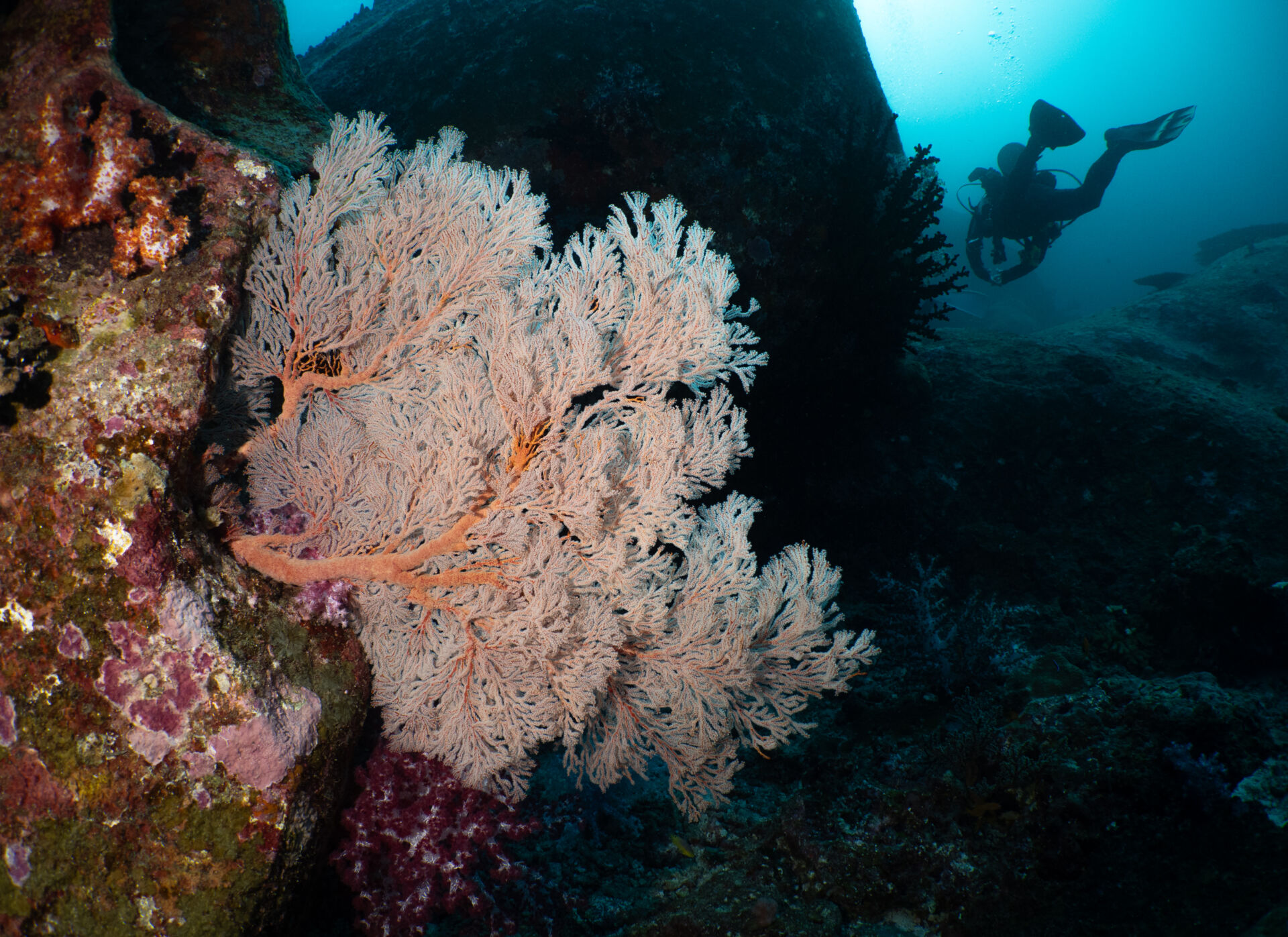
This is where Nitrox can be particularly beneficial, especially at some of my favourite dive sites.
Elephant Head Rock is famous for its enormous granite boulders, dramatic swim-throughs and deeper passages. When exploring the deeper sections, your no-decompression limit can become a consideration relatively quickly. Nitrox can provide more flexibility at suitable depths, provided you stay within the maximum operating depth of your mixture.
At Richelieu Rock, it’s often the smaller marine life that keeps me interested. From ornate ghost pipefish to tiny nudibranchs, there’s so much to discover around the deeper sections of the pinnacle. When I’m filming macro subjects, having additional no-decompression time can be particularly useful, especially when waiting for the perfect moment.
Koh Tachai Pinnacle is another great example. Known for its impressive granite formations and sometimes strong currents, the deeper boulders can offer shelter from the flow. Nitrox can give you more flexibility to explore these areas without reaching your no-decompression limit quite so quickly, as long as the depth and conditions are appropriate.
Of course, not every dive benefits equally. On shallower reefs, your gas reserve may be the limiting factor long before your no-decompression limit.
And Nitrox doesn’t eliminate decompression risk. Conservative planning, suitable surface intervals, following your dive computer and maintaining good physical health remain just as important. Learn how you can lower decompression risk here.
For me, the real advantage is having a little more flexibility to enjoy what makes each dive site special, whether that’s exploring granite formations, searching for macro life or simply taking my time underwater.
Get Nitrox Certified on MV DiveRACE Class X
If you’re not already Nitrox certified, you can complete your RAID Nitrox course on board MV DiveRACE Class X.
The course is available to certified Open Water Divers or those holding an equivalent qualification. You can complete the online theory before your trip, leaving the practical training for your time on board.
You’ll learn how to analyse your breathing gas, calculate maximum operating depths and plan dives using Nitrox and your dive computer.
We also offer the RAID Explorer 30 course, ideal for divers looking to develop their buoyancy, navigation and dive planning skills while working towards diving to 30 metres. Other RAID specialties may also be available upon request.
For anyone planning several days of diving in the Similan Islands, I think Nitrox is one of the most useful certifications to have. It’s a relatively simple way to expand your diving knowledge and give yourself more flexibility underwater.
Interested in completing your RAID Nitrox certification during your next liveaboard adventure?
Let us know when booking your trip on MV DiveRACE Class X, and we’ll help you arrange your course. Book your next trip with us here.
Related Articles
-

The Vanishing Wrecks of the South China Sea
Wrecks have a special pull on divers. They’re time capsules, artificial reefs,…
-
MV DiveRACE Class X
INTRODUCTION We are excited to present our latest liveaboard project – MV…
-
Improve your Buoyancy: A Comprehensive Guide – Part 1
A thorough understanding and practical application of buoyancy is crucial for safe…