

Few underwater encounters compare to the slow, effortless glide of a manta ray. They appear out of the blue without warning. One moment you are watching fusiliers in the current, and the next a dark silhouette forms overhead.
Wings span wide. The reef quiets. And time, somehow, slows down.
For many divers researching manta rays in Thailand, one question stands out: Where are my chances best? While sightings are never guaranteed, the Similan Islands remain one of the most exciting places in the Andaman Sea to encounter oceanic manta rays in their natural environment.
However, understanding why requires looking at currents, cleaning stations, seasonality, and recent changes in behavior.
Oceanic vs Reef Manta Rays: What You Can See in the Similans
Before planning a manta-focused trip, it helps to understand the difference between the two species most divers hear about.
Reef manta rays (Mobula alfredi) are generally smaller, more coastal, and often resident in specific areas. They frequent shallow lagoons and protected reefs, and in places like Indonesia or the Maldives they can be highly predictable.
Oceanic manta rays (Mobula birostris) are different. They are larger, more migratory, and typically associated with deeper water and offshore currents. These are the giants. Wingspans can exceed seven metres. They travel vast distances and are far less resident in one fixed location.
In the Similan Islands and surrounding sites such as Koh Bon and Koh Tachai, sightings are of oceanic mantas only. This alone makes the region special. Encounters are not lagoon-based or shallow sandbar moments. They often happen mid-water, near pinnacles, or above cleaning stations exposed to strong currents. That is part of the magic, they arrive from the open ocean.
Why the Similan Islands Attract Manta Rays
The Similan archipelago sits in nutrient-rich waters influenced by seasonal monsoons and complex current systems. During the high season, cooler thermoclines can push plankton into concentrated areas, particularly around offshore pinnacles and submerged reefs. Mantas follow food, but they also follow structure.
Cleaning stations are critical. These are specific reef areas where small cleaner wrasse and other reef fish remove parasites and dead tissue from larger animals. Mantas will hover above these stations, often in current, allowing cleaners to work across their mouths, gill slits and dorsal surfaces.
Koh Bon is the most famous example in Thailand. Its western ridge plays a significant role in why these encounters happen there. The ridge projects into deep Andaman water, where offshore currents meet abrupt limestone topography and are pushed upward along the reef face. This movement concentrates plankton in the water column while also energising established cleaning stations along the ridge. For oceanic mantas, it creates an intersection of feeding opportunity and parasite removal, all within close proximity to deep water. The structure allows them to approach, circle, and descend with minimal effort, which is why this particular stretch of reef has long been considered one of Thailand’s most important manta locations.
Koh Tachai Pinnacle historically offered similar encounters. Strong currents and abundant fish life make it a natural stopping point. Although the site has seen periods of closure and recovery, it remains one of Andaman’s iconic pelagic magnets.
Further north, Richelieu Rock occasionally hosts passing mantas. These encounters are often brief but unforgettable. The site’s horseshoe structure creates eddies and plankton traps that attract large marine life.
Within the Similan Islands themselves, divers often encounter mantas around North Point, Christmas Point, and the deeper outer reefs of the northernmost islands.
Seasonality and Changing Patterns After COVID
Before the global COVID lockdowns, manta sightings in the Similan region were considered relatively predictable. While never daily, encounters were more common and often peaked towards the end of February and into March. Divers and crew would watch conditions carefully during that period, as cleaning station visits became more frequent. Since the lockdown years, patterns have shifted. Sightings now feel more sporadic. They still happen, but they are less tied to a clear seasonal window.
There are several possible explanations. Reduced boat traffic during closures may have altered feeding patterns. Oceanographic shifts could also play a role. Water temperature, plankton blooms, and large-scale climate cycles influence pelagic behaviour more than we often realise. Illegal fishing, or overfishing when protection and policing may have been reduced, could have also influenced both their numbers and their behaviour.
In addition, coral loss, including reductions in Acropora cover in parts of the region, may influence overall reef complexity and the density of cleaner wrasse that maintain active cleaning stations. Fewer reliable cleaning points could mean mantas spend less time hovering at specific ridges. However, oceanic mantas are wide-ranging pelagic animals influenced by far broader oceanographic factors, from plankton cycles to climate variability. The reality is likely a combination of interconnected pressures rather than a single cause, which makes continued reef protection and responsible diving practices more important than ever.
For guests researching manta rays in Thailand, this means one thing: The Similans remain a top location, but encounters are never guaranteed. What has not changed is the potential. When conditions align, the region still produces spectacular oceanic manta moments.
Are We Seeing the Same Mantas?
One of the most common questions divers ask is whether the manta rays we encounter in the Similan Islands are the same individuals returning each season. In some cases, the answer is yes.
Oceanic manta rays can be individually identified using the unique spot patterns on their bellies. The black markings across their white bellies act like fingerprints, and no two mantas share the same pattern. This allows researchers to catalogue individuals through underwater photography.
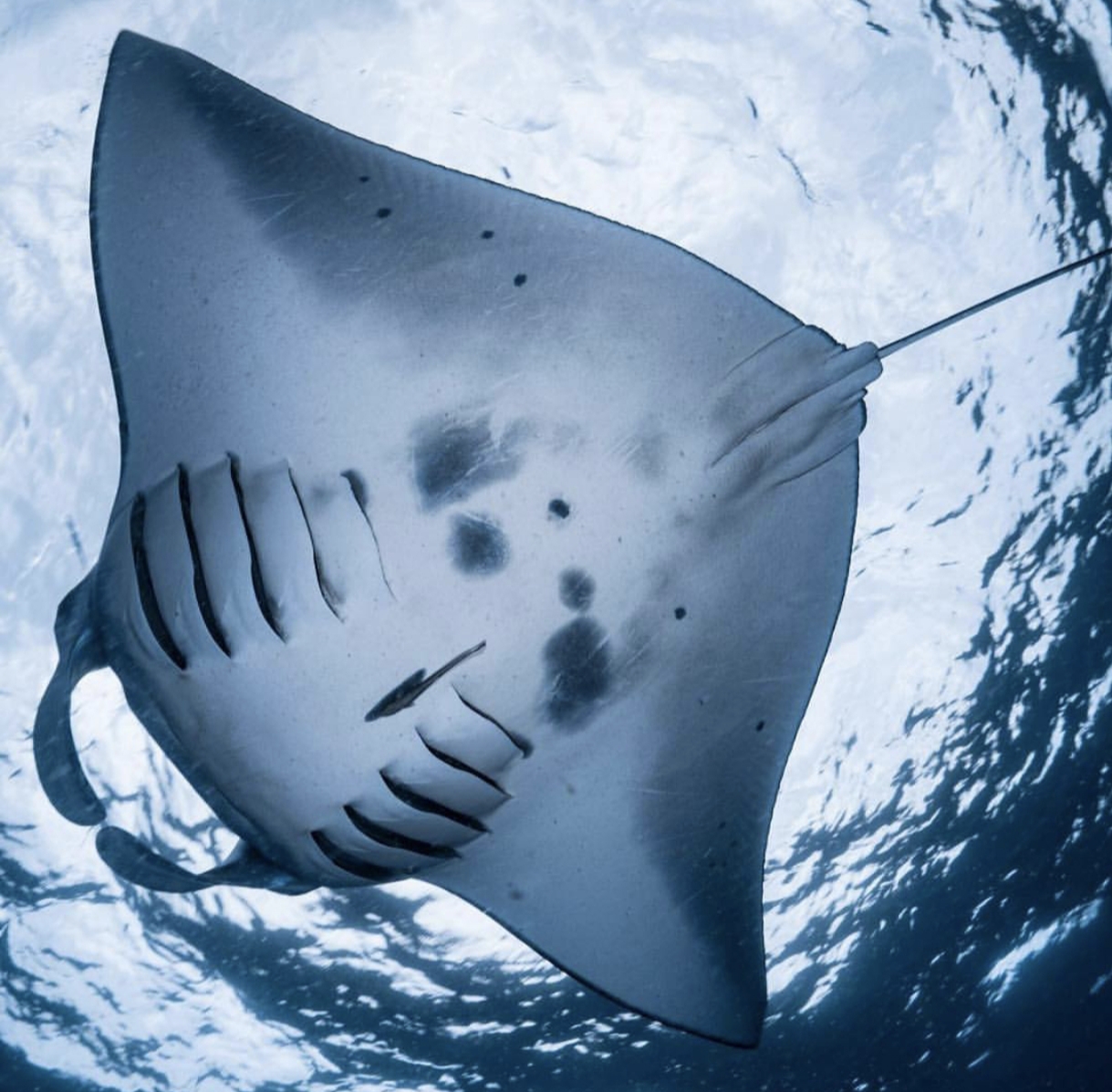
When a manta glides overhead and exposes its underside, a clear photograph can later be matched against international databases. Over time, this process builds sighting histories, revealing migration routes, site fidelity, and seasonal return patterns.
One of the leading organisations involved in this work is The Manta Trust, a globally recognised conservation and research charity dedicated to the protection of manta and mobula rays. The organisation maintains extensive identification databases and works with researchers, governments, and citizen scientists around the world.
In regions such as the Maldives, Indonesia, and parts of Thailand, submitted photographs have helped confirm that certain individuals return to specific cleaning stations year after year. In the Andaman Sea, sightings contribute to a broader understanding of how oceanic mantas move through this migratory corridor.
However, not every manta seen in the Similan region has been previously recorded. Oceanic mantas are capable of travelling vast distances across international waters. The Similans likely sit within a larger migratory network linking the Andaman Sea to neighbouring regions.
This is one reason encounters here feel so wild. Some individuals may be repeat visitors to Koh Bon’s cleaning station. Others may simply be passing through, following plankton blooms or shifting current systems. Every photograph matters. Every sighting adds data. And every respectful dive contributes to the long-term protection of these animals.
Behaviour, Intelligence and Curiosity
Oceanic manta rays are not simply large rays passing through. They are highly intelligent animals with the largest brain-to-body ratio of any fish. Studies suggest strong problem-solving ability, complex social behaviour, and long-term memory.
Divers often notice something unusual in their interactions. Mantas do not just tolerate presence, they assess it. Unlike many pelagics that avoid bubbles and movement, oceanic mantas frequently approach divers. They will circle slowly. They may turn onto their sides to observe. Eye contact is common and unmistakable.
Their cephalic fins unfurl like scrolls when feeding. During cleaning, they hover almost motionless in current. At times they barrel roll through plankton-rich water, filtering vast volumes with open mouths. They are curious, but not careless, and calm divers often receive the closest passes.
Many researchers believe mantas recognise individual divers over repeated encounters. While that is difficult to prove conclusively, the behaviour feels deliberate. There is awareness in their gaze. There is presence. And when one looks directly at you, the experience feels profoundly personal.
What It Feels Like: A Personal Encounter at Koh Bon
One of the most memorable encounters I have experienced happened at Koh Bon’s western ridge. The current was steady but manageable, and we positioned ourselves low along the cleaning station. Visibility opened into deep blue water beyond the reef edge.
The first manta appeared as a shadow. Then another followed. Within minutes, multiple oceanic mantas were circling the ridge. They moved with effortless precision, weaving between divers without a single abrupt motion. At times they passed close enough to feel the displacement of water from their wings.
What struck me most was their composure. They were not startled by our bubbles. Instead, they seemed to include us in their movements. One individual completed repeated loops above the cleaning station, then rose gently into the water column. As we began our safety stop, one manta followed. It hovered just below us in mid-water, gliding and inspecting each diver in turn. There was no rush. No panic. Only calm curiosity.
Looking into the eye of an oceanic manta is difficult to describe accurately. There is an intelligence there that feels ancient and aware. It feels like being acknowledged, almost like meeting an old friend. Moments like that change how you view the ocean. They also remind you why patience and respect matter so much.
What to Expect During a Manta Encounter, and How To Behave
First, stay calm. Second, maintain good trim and neutral buoyancy, being careful not to come into contact with the reef, or drifting upwards towards the surface. Manta’s are fish, they can go up and down in the water column without getting DCS — we as divers cannot! Diver and marine life safety is paramount. And finally, avoid chasing.
It is also important to be mindful of spacing within the group. Crowding a cleaning station or clustering directly in the manta’s path can disrupt natural behaviour. Spreading slightly along the ridge, maintaining neutral buoyancy, and avoiding rapid finning or chasing creates a calmer environment. When divers behave predictably and respectfully, mantas are far more likely to remain in the area and continue circling.
Oceanic mantas are curious but sensitive to sudden movement. Divers who remain steady are often rewarded with closer passes. Many of the most memorable encounters happen when guests simply hold position and let the manta decide. Photography is possible, but awareness comes first. The moment itself matters more than the image.
Conservation and Respect
Oceanic manta rays are listed as vulnerable globally. They face threats from fishing pressure, bycatch, and habitat change. Thailand has made progress in marine protection, yet mantas remain migratory animals crossing international waters.
Responsible diving practices matter. No touching, blocking cleaning stations, or flash-heavy photography harassment. Choosing operators that brief guests thoroughly and respect marine life ensures these encounters remain possible for years to come.
Why the Similan Islands Still Stand Out
Despite changes in predictability, the Similan region remains one of the best places in Thailand to encounter oceanic manta rays. The combination of offshore pinnacles, cleaning stations, nutrient-rich currents and seasonal thermoclines creates real opportunity.
But the ocean is not an aquarium. It is wild, unscripted, and when it happens, it feels earned. For divers researching manta rays in Thailand, understand this clearly: the Similans offer quality over guarantee. You are entering true pelagic territory, where giants move freely between islands, reefs and open ocean.
Experience the Andaman’s Giants for Yourself
Every dive in the Similan Islands is different. Some days bring turtles in the shallows. Others bring sharks on the ridge. And sometimes, if conditions align, a manta ray sweeps silently overhead.
Join us in exploring Koh Bon, Koh Tachai, Richelieu Rock and the Similan Islands on board MV DiveRACE Class X. Our itineraries are designed to maximise opportunity while respecting the ocean’s rhythm. Because the best manta encounters are not scheduled. They are patiently discovered.
Book your next Similan Islands liveaboard trip here.
Related Articles
-
The Vanishing Wrecks of the South China Sea
Wrecks have a special pull on divers. They’re time capsules, artificial reefs,…
-

MV DiveRACE Class X
INTRODUCTION We are excited to present our latest liveaboard project – MV…
-

Thank You Class E.
Dear Friends, We want to express our heartfelt thanks to everyone for…