
I’ve spent a lot of time diving the Similan Islands, and there’s a very different feeling when you experience them from a liveaboard.
It’s not simply because you can dive three or four times a day. A liveaboard changes how you move through the islands, how much you notice underwater, and even how quickly diving becomes part of your everyday routine. You wake up at sea, spend the day moving between dive sites, and finish somewhere completely different from where you started.
After a few days, normal life feels surprisingly far away! It really feels like a break from the real world.
That’s one reason I’m looking forward to the 2026–27 Similan Islands diving season so much. This year is particularly exciting for us because it will be our first season on board the new MV DiveRACE Class X. Our first trip departs on 14 October 2026, and after months of preparation, we’re ready to get back out there!
A Liveaboard Lets You Actually Travel Through the Similan Islands
The Similan Islands aren’t one diving environment. The underwater landscape changes considerably as you travel through the region, which is something that’s difficult to appreciate from individual dives.
Around the Similan Islands themselves, huge granite boulders create some incredible underwater scenery. There are swim-throughs, sandy areas and reefs where slowing down often reveals far more than swimming further. Continue north and the diving changes again around Koh Bon and Koh Tachai. Go further towards Richelieu Rock, and you have another completely different environment.
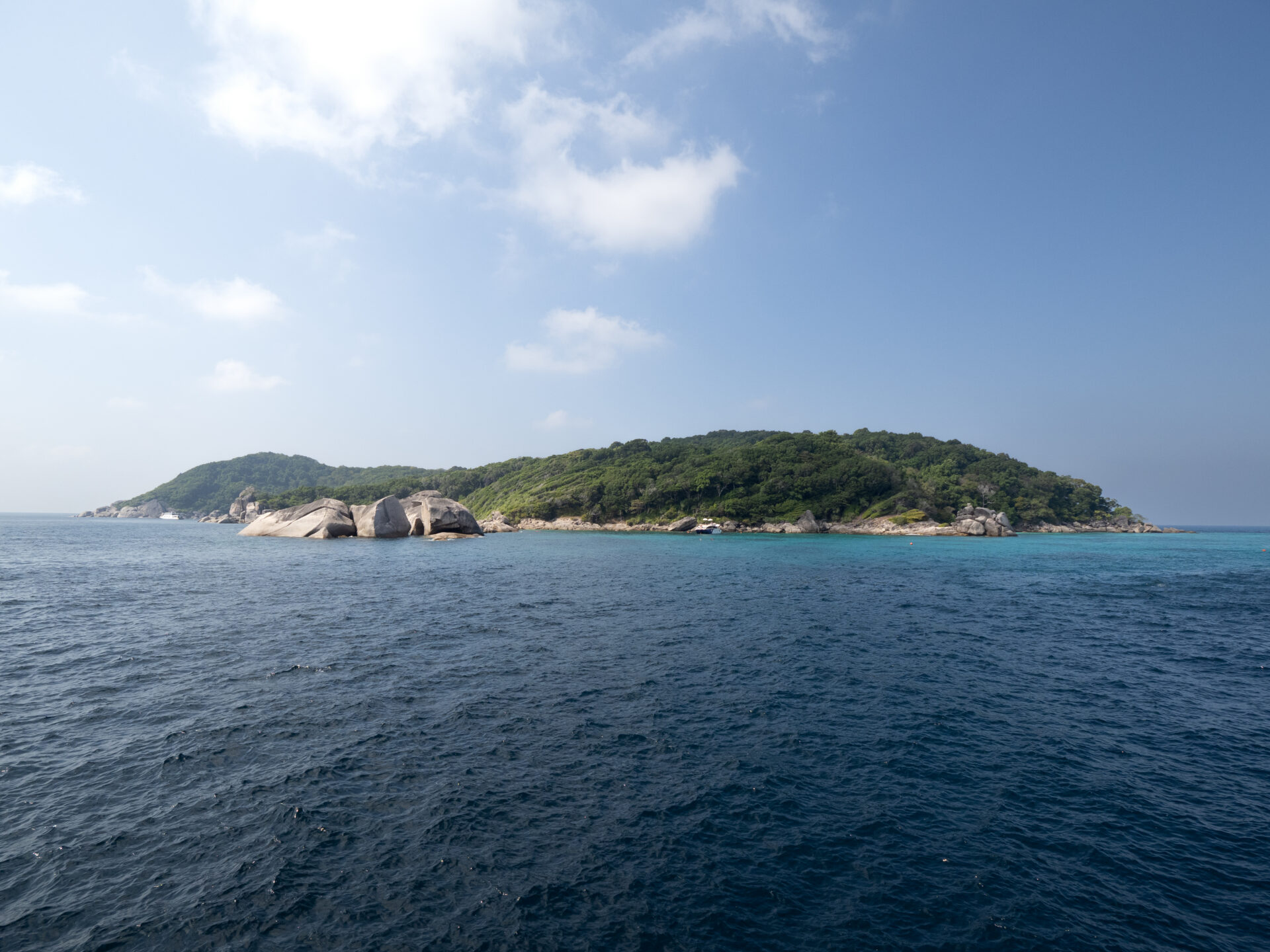
On a liveaboard, that distance becomes part of the experience. You might finish your final dive of the day, have dinner and relax onboard while the boat travels north. By the time you wake up, you’re already somewhere new.
That changes how you understand the region. Instead of remembering isolated dive sites, you start connecting them into one journey through the Andaman Sea.
For me, that is one of the biggest differences between simply diving here and properly experiencing the Similan Islands.
Your Entire Day Starts Revolving Around Diving
Liveaboard life develops its own routine very quickly.
The first day always takes a little longer. People are learning where everything is, adjusting equipment and working out the dive deck. Cameras need assembling, weights need changing, and somebody usually discovers they have left something important in their cabin just before the briefing.
By the next day, everything feels different.
Your equipment is already set up. You know where to be and when. Getting ready for a dive becomes almost automatic, and your day starts revolving around a very simple pattern of diving, eating and resting.
There’s something I really enjoy about that simplicity. You don’t need to think about travelling to the dive centre or packing everything again tomorrow. Your dive gear stays where it needs to be, the boat moves to the next location, and all you really need to think about is the next dive.
It also creates a completely different atmosphere between dives. Everyone has just shared the same experience, so conversations naturally continue afterwards. Someone saw something nobody else noticed. Someone definitely saw a shark that nobody else can confirm. Cameras come out, photos get compared, and then eventually the next briefing begins.
It doesn’t take long before that feels completely normal.
You Start Becoming a More Observant Diver
One of the things I’ve noticed most over years of liveaboard diving is how people’s attention changes during a trip.
On the first few dives, everyone naturally wants to see the big things. Sharks, turtles, rays and large schools of fish are difficult to ignore. The huge granite formations of the Similan Islands also tend to command most of your attention when you first see them.
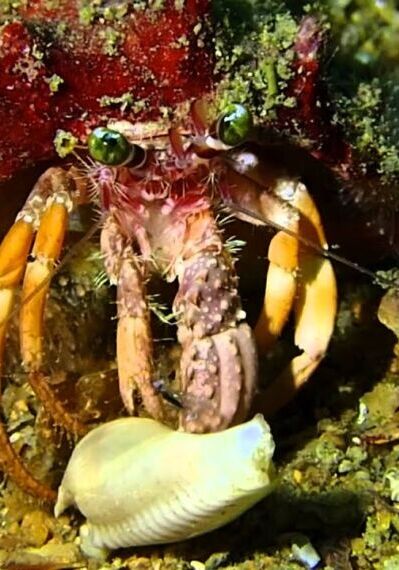
After several dives, people start slowing down. Someone finds a ghost pipefish, and suddenly everyone is checking crinoids. A tiny nudibranch becomes worth stopping for. Divers start looking underneath ledges and paying more attention to what their guide is actually pointing at.
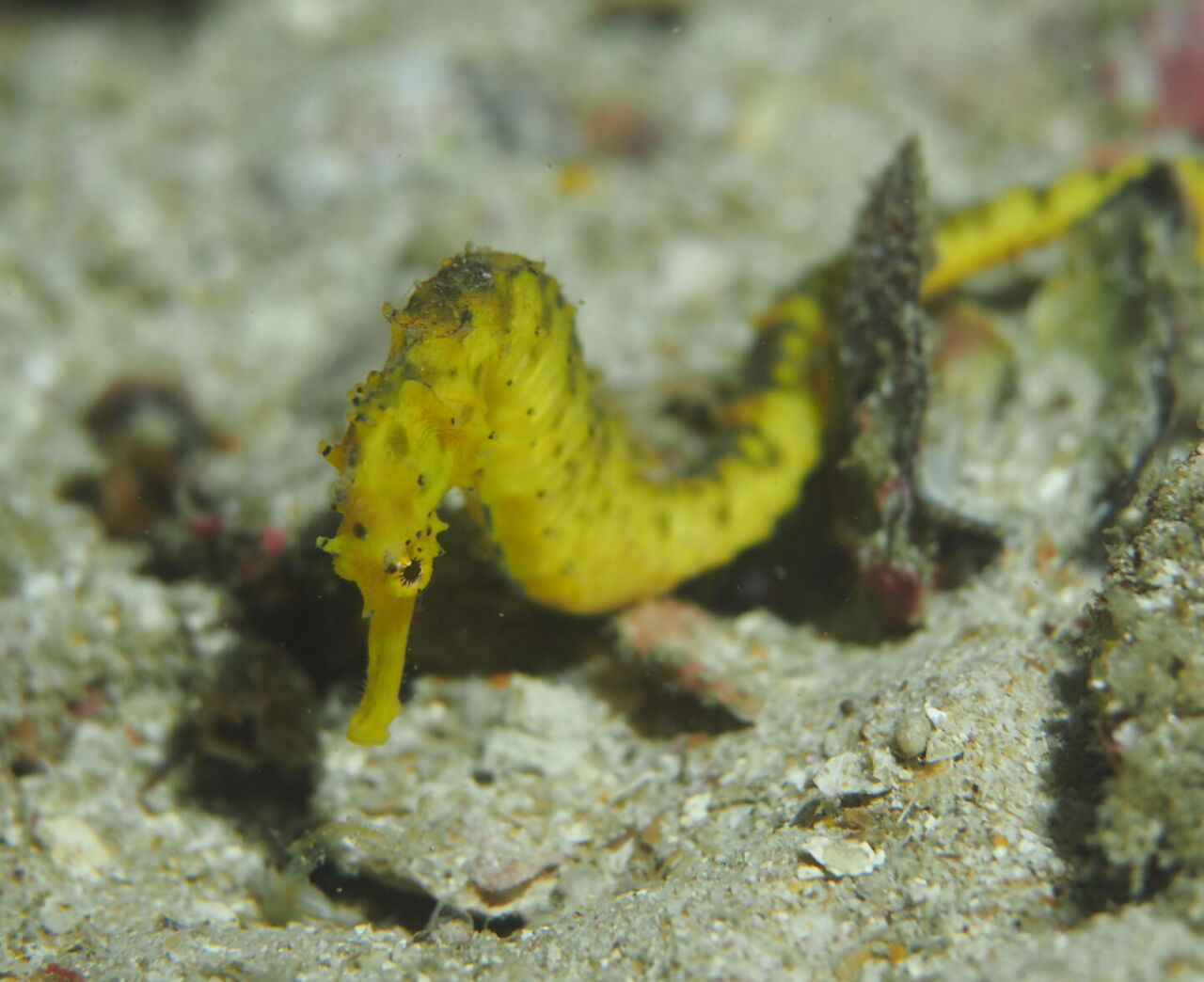
I find myself doing the same thing, especially when I return to familiar sites. Instead of thinking about what I should see there, I start noticing what has changed.
On several trips, for example, I found the same ghost pipefish living around the same area. The first time I saw it, it was almost black. A few trips later, it had changed to white. Seeing that progression made the encounter much more interesting than simply finding one on a single dive.
That familiarity is something you only really develop through time underwater. You start recognising where certain animals tend to hide, which sections of a site are worth slowing down for, and how much life can exist in a very small area.
You Learn to Work With the Conditions, Not Against Them
The Similan Islands can also teach you a lot about diving in changing conditions.
Currents are an important part of diving here, particularly around sites such as Koh Bon and Koh Tachai. It can completely change the way you approach a dive. The same site can be gentle one day and much more energetic another.
After spending several days diving in the region, you become much more aware of those changes. You start noticing current direction during the descent, finding sheltered areas and understanding why the briefing focused on a particular route.
It also makes you appreciate good dive planning.
Being on a liveaboard gives the cruise director and crew the flexibility to consider conditions, timing and boat traffic when planning the trip. It doesn’t mean we can control the ocean. But it does mean the entire journey is built around the diving.
And when the timing works perfectly and you descend onto an incredible site with very few other divers around, you really notice the difference.
You Stop Feeling Like You Have to See Everything on One Dive
This is something I particularly notice when I’m filming underwater. On a single dive, there can be a temptation to cover as much ground as possible. You want to see everything, photograph everything and somehow be in exactly the right place when something interesting happens.
Liveaboard diving takes away some of that pressure. There’s another dive coming.
That makes it easier to slow down and spend time with one subject rather than constantly searching for the next thing. For underwater photography and videography, that can completely change the experience.
Sometimes the animal isn’t cooperating, the visibility isn’t ideal, or another diver swims directly through the shot you’ve been waiting several minutes to get. That’s diving!
But having multiple opportunities means you don’t have to force every encounter. Some of my favourite footage has come from dives where I stopped trying to cover the entire site and simply stayed with what was happening in front of me.
It’s also why good repetitive diving habits matter. Hydration, rest and sensible dive profiles become increasingly important when you’re diving several times each day.
Life Onboard Is Half the Experience
There is quite a lot of time between those dives, which is why the boat itself matters much more than people sometimes expect. A liveaboard isn’t just transportation. For several days, it becomes your hotel, restaurant, dive centre and place to recover before someone rings the bell again.
For me, good liveaboard design is really about making that routine easy. You want enough space to deal with dive equipment comfortably, but you also want somewhere you can properly switch off afterwards.
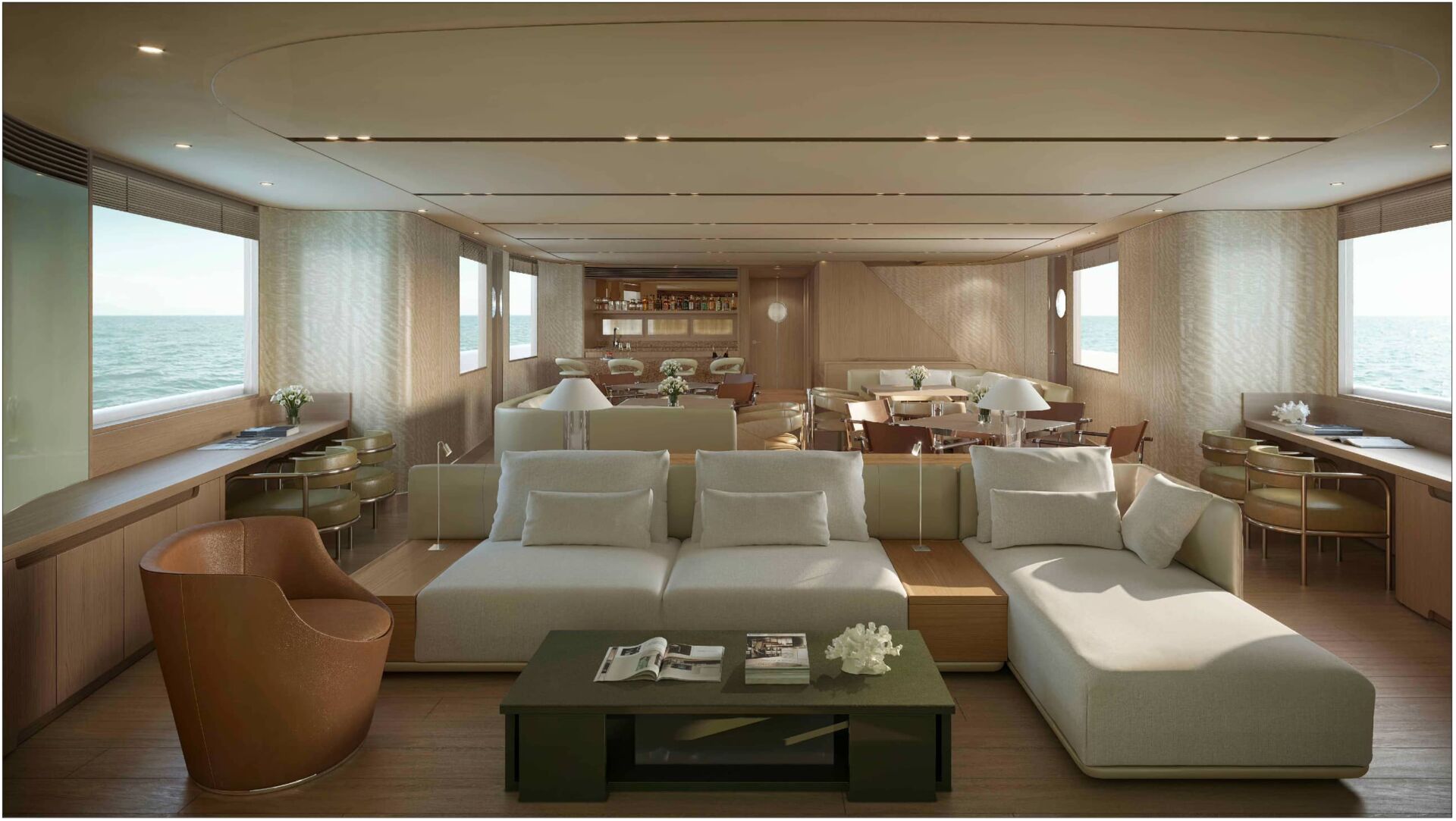
That’s something we’re particularly excited about with MV DiveRACE Class X.
Our new boat has comfortable cabins where guests can properly rest after a full day underwater, along with luxurious spacious areas for relaxing between dives.
And then there’s the food.
Food has always been a surprisingly important part of liveaboard diving. Do three or four dives in a day and you’ll quickly understand why. You surface hungry, eat, somehow become hungry again, dive, and repeat the process.
Having good meals waiting onboard makes a real difference over several days at sea. It becomes part of the experience rather than simply something squeezed between dives.
You Get More Than the Diving
Some of my favourite memories from liveaboard trips aren’t actually from underwater.
The people are a big part of it too. Unlike a day trip, you spend several days diving, eating and relaxing together. I’ve made some great friendships on liveaboards, and I’ve watched guests arrive as strangers and leave already planning their next dive trip together. Sharing that much time and so many underwater experiences creates a connection that you rarely get from a single day of diving.
They’re the moments between dives when everyone is still talking about what happened. They’re watching the islands pass from the boat, going through footage from the day, or sitting outside after the final dive when nobody needs to be anywhere else.
There’s also something different about waking up at sea. You step outside and you’re already where you came to be. There’s no transfer to the dive site and no commute before the day begins. The first thing on the schedule is usually diving.

The Similan Islands are also incredibly beautiful above water. Spending several days offshore gives you time to actually appreciate where you are, rather than only seeing the islands on the way to somewhere else.
We are also able to visit the famous beaches outside of the day trip crowds!
That combination is what makes a liveaboard feel like more than a collection of dives. The diving is obviously the reason we’re there, but the experience happens around it too.
Why a Liveaboard Makes Sense for the Similan Islands
There are plenty of destinations where you can base yourself on land and reach excellent diving easily. The Similan Islands are different because some of their best diving is spread across a large offshore region.
A liveaboard allows the journey to continue while you’re already onboard. Instead of repeatedly returning to the mainland, you keep moving through the islands.
That means one trip can include very different underwater environments. You can dive among the granite formations of the Similans, explore Koh Bon and Koh Tachai, then continue north towards Richelieu Rock.
It’s also why having several days is so valuable. You’re not trying to squeeze the Similan Islands into a single day. You have time to experience different areas properly.
If you’re planning a trip, the time of year is important too. The Similan Islands diving season runs from October to May, when the national parks are open for visitors.
A New Season, and a New MV DiveRACE Class X
We’re now almost at the beginning of another Similan season, but this one feels particularly significant for DiveRACE.
After months of preparation, MV DiveRACE Class X will depart on its first trip on 14 October 2026.
I’m looking forward to getting back to the familiar parts of liveaboard life. Early dives, long days underwater, meals that somehow disappear very quickly, and evenings spent talking about what we found that day.
Every Similan season brings something different. We never know exactly what the conditions will be like or which encounters will become the ones everyone remembers. That’s part of why we still love diving here.
A liveaboard gives you enough time to stop treating the Similan Islands as a checklist of dive sites. You settle into the environment, explore different parts of the region and begin noticing the smaller details between the big encounters.
And for a few days, life becomes almost entirely about diving. I can’t think of many better ways to start a new season!
Join us as we explore the Similan Islands on board MV DiveRACE Class X – book your next liveaboard trip here!
Related Articles
-

Mergui Archipelago with DiveRACE
The Mergui Archipelago, located in southern Myanmar, is one of Southeast Asia’s…
-
Eat. Sleep. Dive. INFLATABLE FUN!
Diving isn’t the only way to enjoy the waters around Thailand. On…
-
Giant Trevallies at Koh Tachai Pinnacle
Koh Tachai Pinnacle is a top dive site in Thailand, famous for…