
There is a spot at Richelieu Rock that I never get tired of visiting.
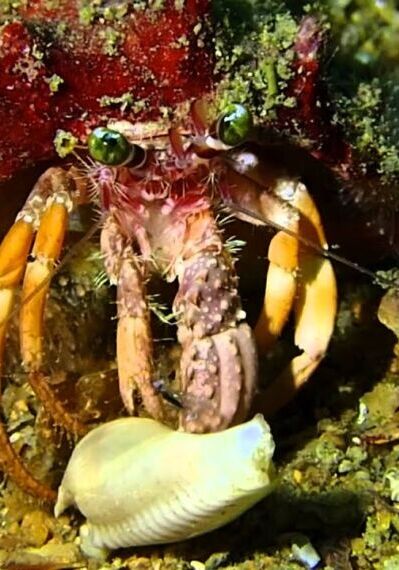
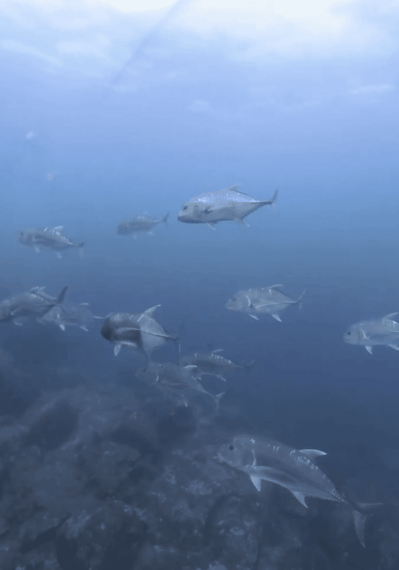
I’ve probably descended onto that reef hundreds of times over the years. Every dive is different. Sometimes it’s a whale shark cruising effortlessly through the blue. Other days it’s the endless schools of snapper swirling around the pinnacle, or tiny nudibranchs hidden among the hard corals that most divers swim straight past.
People often ask me whether I ever get bored diving the same sites.
The truth is, I don’t.
Because the reef is never exactly the same.
As someone who spends a large part of the year exploring the Similan Islands, Surin Islands, Koh Bon, Koh Tachai and Richelieu Rock, I’ve been fortunate enough to witness the incredible resilience of Thailand’s reefs. I’ve also seen subtle changes that most people would never notice on a single holiday.
A coral colony that has grown larger.
A patch of reef that has recovered after a storm.
A favourite bommie at Koh Bon that seems quieter than it was a few seasons ago.
These changes are what made me pay attention when scientists began warning about unusually warm ocean temperatures throughout 2026.
Not because I believe our reefs are doomed—but because I believe understanding what’s happening beneath the surface is the first step towards protecting it.
Why Is Everyone Talking About Ocean Temperatures?
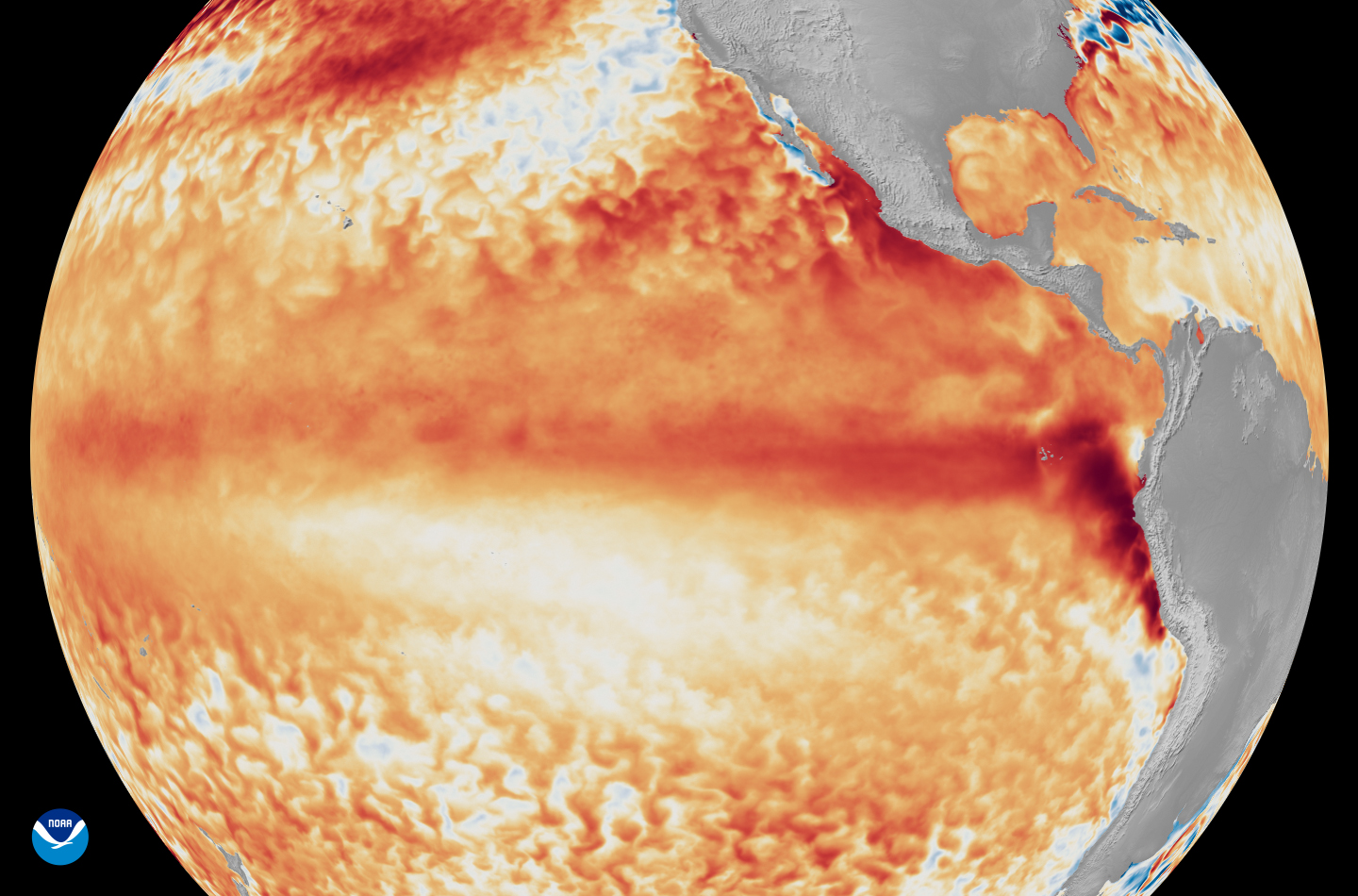
If you’ve followed environmental news recently, you’ve probably come across headlines about record-breaking ocean temperatures or the possibility of another significant El Niño event.
It sounds alarming, but it’s worth understanding what that actually means.
El Niño is a naturally occurring climate pattern. During an El Niño, the trade winds that normally push warm water across the Pacific Ocean weaken, allowing warm surface water to spread differently across the globe. Although Thailand sits in the Andaman Sea rather than the Pacific Ocean, these changes can influence regional weather patterns and contribute to warmer seas.
Scientists from organisations such as NOAA, the World Meteorological Organization and the Copernicus Climate Change Service continue to monitor these conditions closely. Their concern isn’t based on a single hot week or one unusually warm summer. It’s the long-term trend.
Today’s oceans are already warmer than they were a few decades ago.
That means coral reefs have less margin for error when marine heatwaves occur.
Why Warm Water Matters to Coral Reefs
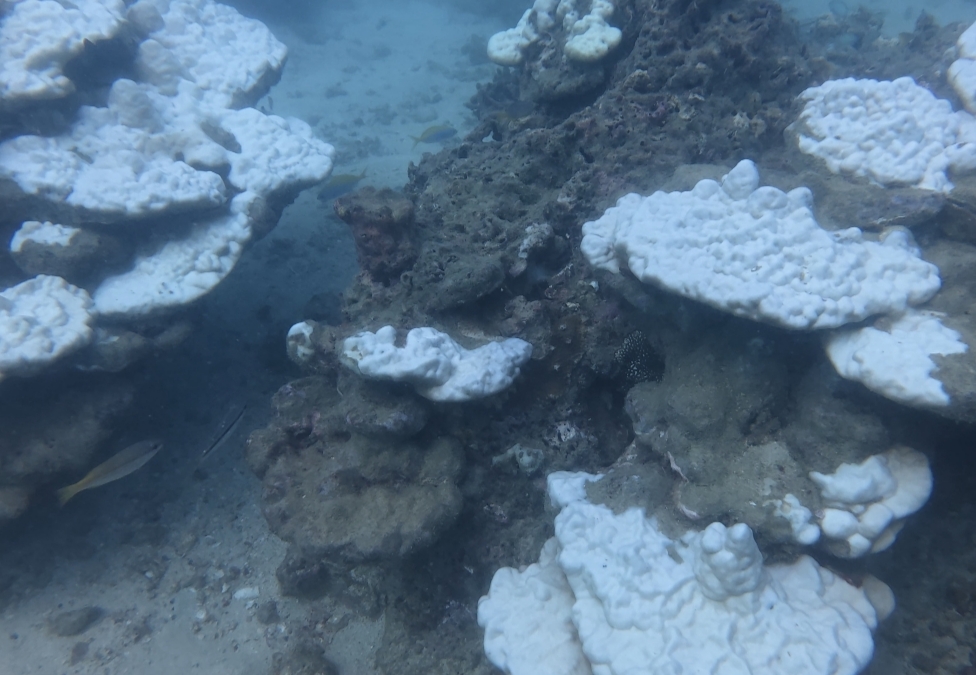
One of the biggest misconceptions about coral bleaching is that white coral automatically means dead coral.
Thankfully, that’s not always true.
Corals live in partnership with microscopic algae called zooxanthellae. These tiny organisms provide much of the coral’s energy and are responsible for the vibrant colours we all love seeing underwater.
When the surrounding water remains unusually warm for an extended period, corals become stressed and expel these algae. The result is what we know as coral bleaching.
If temperatures return to normal relatively quickly, many corals can recover. The algae return, the coral regains its colour, and the reef continues growing.
The greatest danger comes when elevated temperatures persist for weeks or months. Prolonged stress makes corals more susceptible to disease and increases the risk of mortality.
That’s why scientists pay such close attention to marine heatwaves—not because bleaching always means the end of a reef, but because duration matters just as much as temperature.
Thailand’s Reefs Are Stronger Than Many People Realise
One thing I think often gets lost in the headlines is just how resilient nature can be.
Thailand’s reefs have faced enormous challenges over the years. They’ve experienced storms, coral bleaching events, outbreaks of crown-of-thorns starfish and increasing pressure from tourism.
Yet they continue to surprise us.
Marine parks such as the Similan Islands and Surin Islands are actively managed, with seasonal closures that allow ecosystems time to recover. Many coral species have demonstrated remarkable resilience, and we’ve seen damaged areas gradually return to life over time.
Recovery doesn’t happen overnight.
Some branching corals may grow several centimetres each year, while larger massive corals grow much more slowly. A healthy reef is built over decades, not seasons.
That’s exactly why protecting healthy reefs today is so important. Every thriving coral colony becomes the foundation for future generations of marine life.
Why Diving Still Matters
Occasionally someone asks me whether climate change means they should stop diving altogether.
My answer is always the same.
No.
In fact, I believe the opposite.
The more people experience healthy coral reefs firsthand, the more likely they are to care about protecting them.
Photographs are powerful.
Documentaries are inspiring.
But nothing compares to hovering above a thriving reef while thousands of fish move around you in every direction.
That experience changes people.
Responsible dive tourism also plays an important role in supporting marine conservation. Healthy tourism creates jobs, funds marine parks and encourages governments and local communities to protect these ecosystems because they recognise their value.
When done responsibly, diving becomes part of the solution rather than part of the problem.
Our Responsibility at DiveRACE
Running a liveaboard means we have the privilege of introducing thousands of divers to some of Thailand’s most spectacular underwater landscapes.
With that privilege comes responsibility.
For us, conservation cannot simply be a paragraph on our website or a slogan printed on a brochure.
It has to become part of how we operate.
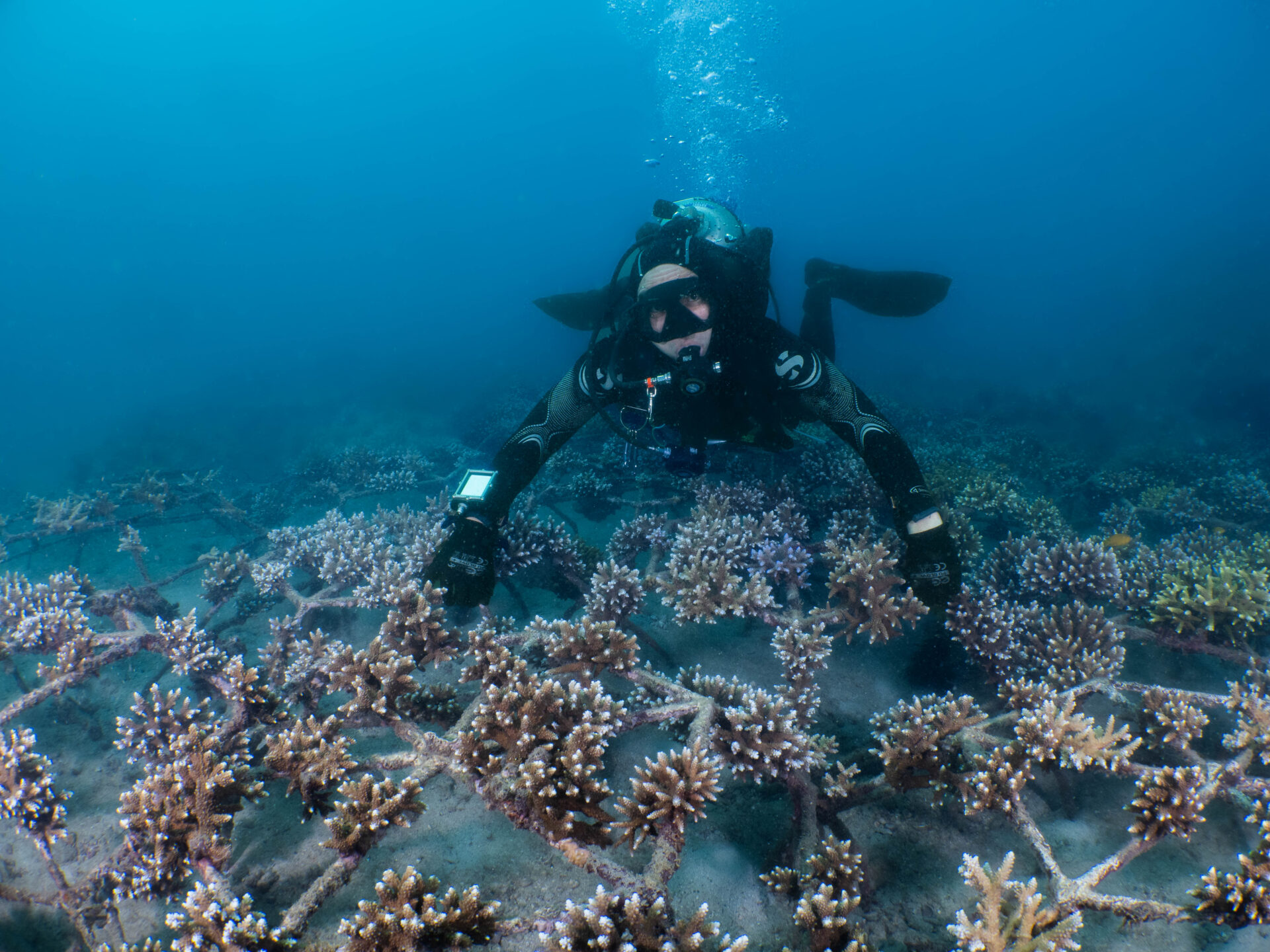
That is why we’re developing DiveRACE’s coral restoration programme.
Our vision is not simply to transplant corals. Effective restoration requires science, careful planning and long-term monitoring. It means working alongside researchers, conservation partners and local authorities to identify appropriate sites and suitable coral species while supporting the reef’s natural recovery processes.
It’s a long-term commitment, and we’re excited about where it can lead.
Every Guest Can Make a Difference
One of the questions I often hear is, “How can ordinary divers actually help?”
The answer is simpler than many people think.
Good buoyancy.
Respecting marine life.
Choosing responsible dive operators.
Sharing knowledge with other divers.
Supporting conservation projects.
These small actions, repeated by thousands of divers every year, create meaningful change.
At DiveRACE, we also want every booking to have a lasting impact beyond the trip itself.
As our coral restoration programme grows, a portion of the revenue from every liveaboard booking will help fund restoration, conservation and education initiatives in Thailand’s Andaman Sea.
That means every guest who joins us is contributing to the long-term health of the reefs they came to enjoy.
To me, that’s what sustainable diving should look like.
Looking Forward with Optimism
I’m optimistic about the future of Thailand’s reefs.
Not because the challenges aren’t real—they are.
Warmer oceans, coral bleaching and climate change deserve our attention.
But I’ve also seen the determination of marine scientists, park rangers, conservation organisations, dive operators and divers from around the world who genuinely care about protecting these extraordinary places.
Most importantly, I’ve seen nature recover when it’s given the chance.
Every healthy coral colony we protect today has the potential to support countless marine species tomorrow.
Every responsible diver becomes another voice for ocean conservation.
Every successful restoration project teaches us something new.
And every DiveRACE guest becomes part of that story.
When you step aboard our liveaboard, you’re not just exploring Thailand’s underwater world.
You’re helping ensure that future generations will have the opportunity to experience the same vibrant reefs, colourful coral gardens and unforgettable encounters that continue to inspire us every single day. Join us!
Related Articles
-

Mergui Archipelago with DiveRACE
The Mergui Archipelago, located in southern Myanmar, is one of Southeast Asia’s…
-
Eat. Sleep. Dive. INFLATABLE FUN!
Diving isn’t the only way to enjoy the waters around Thailand. On…
-
Giant Trevallies at Koh Tachai Pinnacle
Koh Tachai Pinnacle is a top dive site in Thailand, famous for…